
Pirelli leverages ai & digital twins to revolutionize tire development
Digital transformation reshapes tire innovation
Pirelli has dramatically altered tire development, moving away from traditional trial-and-error methods towards a data-driven, digital approach. This shift leverages technologies like digital twins and artificial intelligence (AI) to optimize design, testing, and production. The company’s focus on premium and prestige segments necessitates a high level of precision and innovation.
The rise of the digital twin
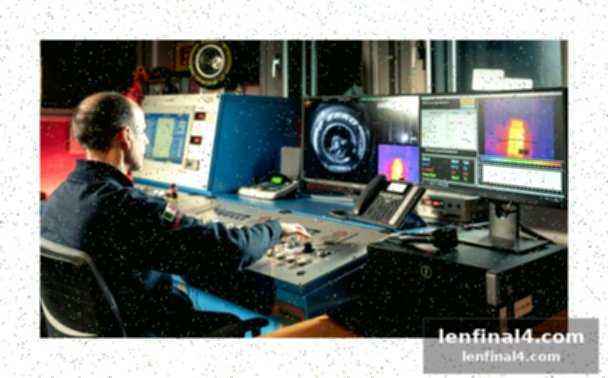
At the core of Pirelli's transformation is the digital twin, a detailed virtual replica of a tire's dynamic behavior. This model significantly reduces physical testing, a time-consuming and costly process. The complexity of a tire – its deformation under stress, non-linear behavior, and temperature dependence – is accurately simulated. The digital twin allows for predicting performance characteristics like handling, noise, and comfort.
Ai-powered compound development
While virtualisation is crucial, Pirelli integrates artificial intelligence for material development. The Virtual Compounder analyzes vast datasets from suppliers, lab tests, and real-world performance to guide technicians in creating optimal tire compounds. Human expertise remains vital to validate AI-generated results and prevent misleading conclusions. The integration of AI and physical modeling has resulted in an average of 20% reduction in specific wear.

Digitalization in manufacturing
The digital revolution extends to Pirelli’s manufacturing processes. A digital twin of the factory and agent AI systems enable simulations and optimization of production scenarios. This helps reduce inefficiencies, anticipate potential issues, and improve process stability. The Digital Solution Center in Bari, with around 80 data analysts, is central to this digital transformation.

Cyber tyre: tires as data sources
Pirelli's Cyber Tyre technology transforms tires into active data sources. Integrated sensors collect information on pressure, temperature, and accelerations. This data is transmitted to vehicle control systems (ABS, ESP) for real-time adjustments, optimizing braking and enhancing safety. Data from sensor-equipped fleets provides deeper insights into tire behavior, fueling continuous improvement cycles.

Adapting to the electric vehicle era
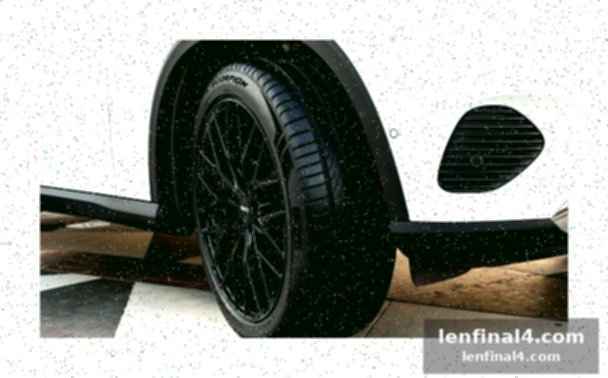
The rise of electric vehicles (EVs) has presented unique challenges, including increased weight, instant torque, and a focus on range and noise. Pirelli’s Elect technology addresses these needs with tailored solutions for EVs. This involves optimizing tire structures, materials, and geometries. This strategy is particularly important in the rapidly evolving Chinese market, where vehicle lifecycles are shorter.
Global reach and accelerated approvals
Pirelli's commitment to digitalization has yielded significant results. In 2025, the company achieved over 320 first-fit homologations, a 50% increase compared to competitors, and surpassed 900 homologations for electrified vehicles. This demonstrates the effectiveness of their data-driven approach and global R&D network, particularly in China. The ability to quickly adapt and innovate is a key competitive advantage.
| Key Metric | Value |
|---|---|
| First-fit Homologations (2025) | 320+ |
| Increase vs. Competitors | 50% |
| Electrified Vehicle Homologations | 900+ |
Source: Pirelli