
Reviving the past: how atkinson and miller engines are fueling modern hybrids
The venerable four-stroke engine, a mainstay of Automotive history, has long been a target for optimization. Surprisingly, some forgotten solutions are now driving the efficiency of modern hybrids – a trend fueled by the resurgence of names like Otto, Atkinson, and Miller.
A second look at forgotten cycles
For years, the simple pairing of a combustion engine with an electric motor hasn't automatically translated to reduced fuel consumption and emissions. Particularly at highway speeds, the electric component’s contribution is limited, especially in full hybrid systems where batteries recharge through regenerative braking – a system that’s often inefficient on the open road. The added weight of the electric motor and its control electronics further compromises fuel economy.
Beyond raw power: efficiency is the key
So, what’s the answer to prevent hybrids from becoming a liability when venturing beyond city limits? The immediate focus is on aerodynamic refinement – a factor that often led to the ungainly designs of early hybrid vehicles, prioritizing engineering over aesthetics. Reducing drag through clever styling is paramount. Then, there’s weight reduction, utilizing lighter materials wherever possible, and employing low-rolling-resistance tires. But the real breakthrough lies in optimizing the combustion engine itself.
Echoes of the past, a future of efficiency
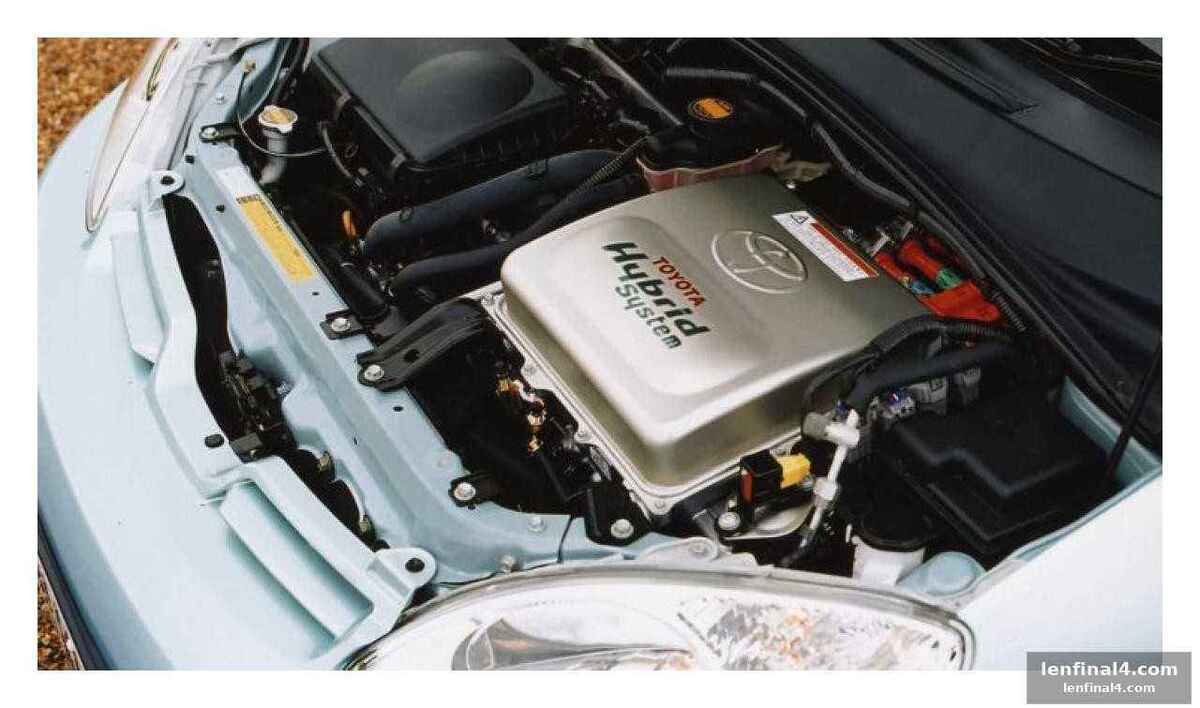
Toyota, pioneers in hybrid technology, have rediscovered valuable concepts from the past, revisiting the innovations of men like Atkinson and Miller. These engineers, working decades ago, devised alternative engine cycles – distinct from the more common Otto cycle – that prioritized efficiency over brute power. Instead of relentlessly pursuing maximum output, they focused on transforming the greatest possible portion of fuel energy into usable mechanical work. This isn’t about building a more powerful engine; it’s about achieving the same performance with significantly less fuel.
A quiet revolution
The resurgence of these historical ideas demonstrates that Automotive innovation isn't always about inventing something entirely new. Sometimes, it’s about re-evaluating what’s already been done. The drive towards greater efficiency in hybrids isn’t a sudden shift, but a carefully considered return to proven principles, a testament to the enduring value of Automotive history.