
Nissan bets on sunderland, eyes cost cuts amidst european ev struggle
Nissan is recalibrating its European strategy, prioritizing investment in the UK’s Sunderland plant as it grapples with profitability challenges and a slower-than-anticipated electric vehicle transition.
A gamble on britain: sunderland as nissan’s european pivot
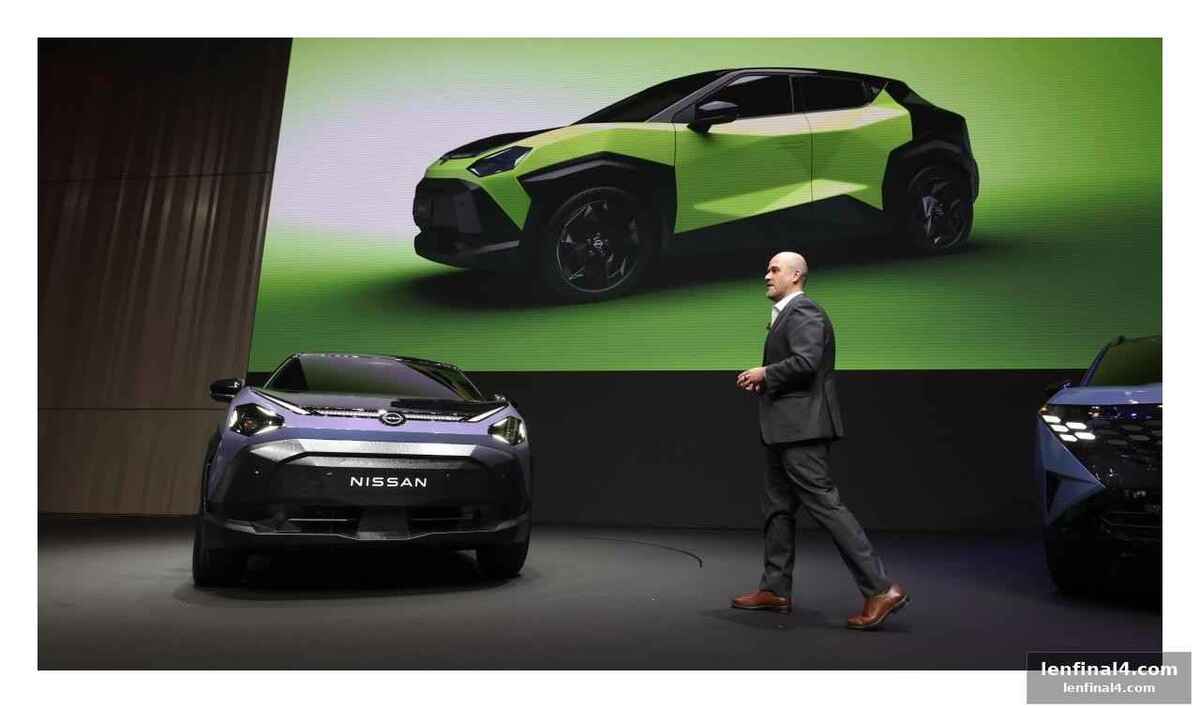
The Japanese automaker, facing mounting competition from Chinese manufacturers and navigating complex regulatory landscapes, is shifting its focus to a more streamlined approach, moving away from less lucrative segments and embracing niche models with potentially higher margins. Massimo Messina, Nissan’s head of the Amieo region (Africa, Middle East, India, Europe, and Oceania), bluntly stated the company has struggled to turn a profit in Europe for years – a critical starting point for this strategic overhaul.
The core tenet of this new direction is Sunderland, earmarked to become a key hub for Nissan’s electrification efforts. The ambitious goal: to bring manufacturing costs in line with those of Eastern European factories, a direct challenge to the rising dominance of Chinese EV producers.
Navigating regulatory hurdles and market uncertainty
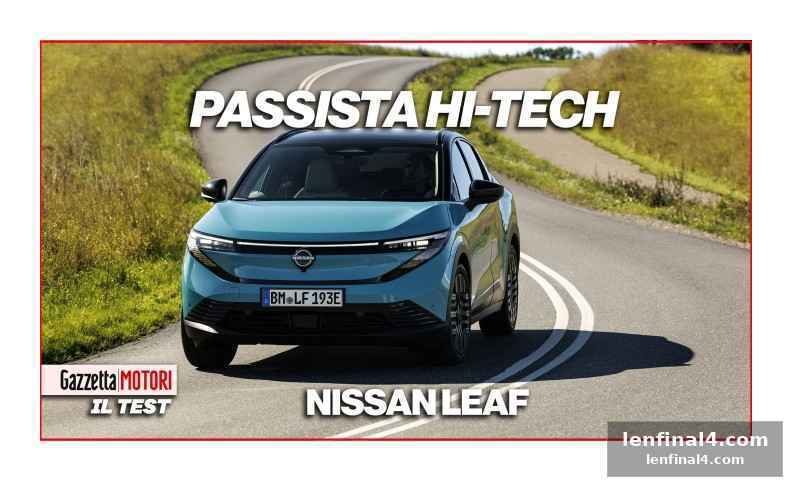
However, significant uncertainties remain. Production timelines for new models are still fluid, and Nissan appears to be leaning heavily on existing vehicles and strategic partnerships – primarily with companies like Dongfeng – to populate its European lineup. The planned Juke EV, a cornerstone of Nissan’s electric ambitions, is tentatively scheduled to be offered alongside the established Leaf and Qashqai, suggesting a reliance on readily available platforms rather than entirely bespoke developments.
The decision to maintain production of the current Juke, alongside the all-electric successor, underscores the current market volatility and the cautious approach being adopted. This ‘bridge’ solution mirrors a trend seen across the industry, as manufacturers prioritize market readiness over aggressive, long-term electrification plans.
China’s shadow: a disruptive force
Beyond Sunderland’s importance, the underlying challenge is clear: Nissan must compete with the disruptive pricing and rapid development cycles of Chinese EV manufacturers. The pressure is intensifying across the Automotive sector, forcing established players to reassess their business models and accelerate their transition to electric mobility.
A pragmatic, partnership-driven future
Messina’s emphasis isn’t on questioning the overall direction, but on managing the timing. The long-term goal of phasing out internal combustion engines remains, but the pace is now subject to real-time market feedback. While battery technology is steadily improving – addressing the previously significant concern of range – cost remains the decisive factor. The pending introduction of more affordable hybrid models, particularly in smaller segments, will be crucial to achieving market penetration.
Ultimately, Nissan’s European strategy is a complex balancing act – a calculated risk centered on a key manufacturing base, tempered by reliance on established platforms and strategic partnerships. The future of the brand on the continent hinges on its ability to navigate these challenges and adapt to a rapidly evolving, increasingly competitive market.