
Nba renegotiates lottery, draft rules amid tanking concerns
The NBA and the National Basketball Players Association (NBPA) are locked in a renewed push to overhaul the lottery and draft systems, a move directly aimed at curbing tanking and creating more opportunities for struggling franchises. The proposals, unveiled this week, represent a significant departure from the status quo, drawing inspiration from the revenue-sharing models of the English Premier League and the GermanBundesliga.
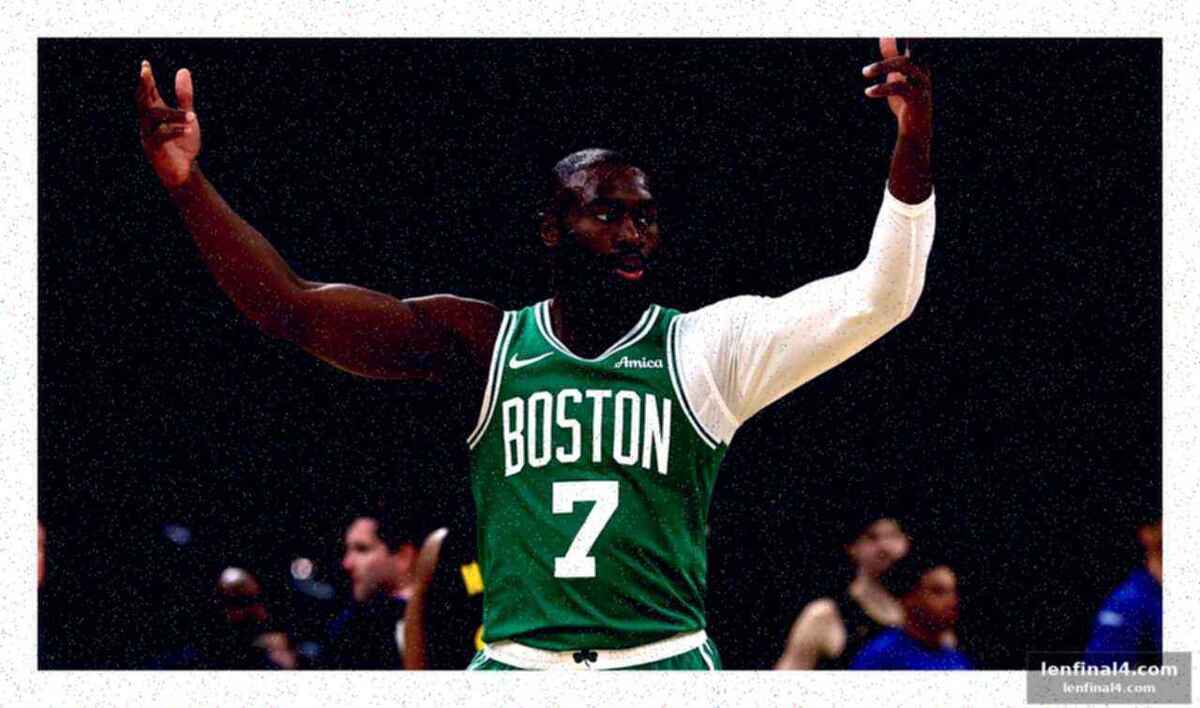
Players push for performance-based lottery odds
According to NBA insider Jake Fischer, the NBPA is advocating for revenue distribution that rewards on-court performance, allocating a portion of television revenue to teams based on their standings. This aims to disincentivize teams from strategically losing games to improve their draft position. The Premier League’s model, which allocates 25% of revenue based on team placement, is a key influence.
The NBPA’s proposal also seeks to reform the lottery itself. A central element is expanding the lottery to include all teams participating in the Play-In Tournament, leveling the playing field for those near the bottom of the standings. Currently, the three worst teams have a 14% chance of securing the number one pick. The NBPA is pushing for the ten worst teams to have an equal chance, proposing 8% each. However, the NBPA is aiming for a top pick probability of just 7%, distributing the remaining 30% among the eight Play-In teams at 3.75% each.
The NBA's initial concept, which grants the ten lowest-ranked teams an equal 8% chance of the top pick, is currently considered the frontrunner. A final vote is slated for May, but expect further adjustments as negotiations continue. The league is also reportedly considering more severe penalties for teams engaging in tanking practices.
The debate extends beyond the draft mechanics. The very viability of the current draft system is being questioned, with NBA Commissioner Adam Silver signaling a desire for reform. The current system, while intended to promote parity, has arguably incentivized calculated losses, a situation the league is keen to address.
The proposed changes represent a palpable shift in the NBA’s approach to competitive balance. The league is betting that by restructuring the draft and rewarding success, it can foster a more engaging and competitive environment for fans and teams alike. The question remains: will these reforms truly alter the calculus of tanking, or are they merely a cosmetic adjustment to a deeper systemic problem?
The financial implications are substantial. A shift in revenue distribution could reshape the competitive landscape, potentially leading to greater investment in struggling franchises and a more unpredictable season.
n