
German ice hockey faces funding crisis: league seeks major boost
The German women’s ice hockey league is scrambling for survival, facing a stark reality of dwindling resources and a rapidly shrinking playing field.
League receives €100,000 injection – but structural issues remain
Berlin – A significant €100,000 annual investment from the German Ice Hockey Federation (DEB) is intended to stabilize the Deutsche Frauen Eishockey Liga (DFEL), but the league’s long-term viability remains precarious. The injection, announced by DEB president Frank Lutz, follows a year of significant losses and a drastic reduction in teams – now just six competing at the highest level.
Previously boasting five teams, including the former powerhouse ESC Planegg and Berg Kamen, the DFEL is struggling to maintain momentum. The current roster consists solely of ECDC Memmingen (the dominant force), Eisbären Berlin, ERC Ingolstadt, and Mad Dogs Mannheim, alongside HK Budapest. Lutz emphasized that the funding will not be distributed on a per-team basis, but strategically targeted at clubs showing ‘potential’ – a calculated move to stimulate expansion.
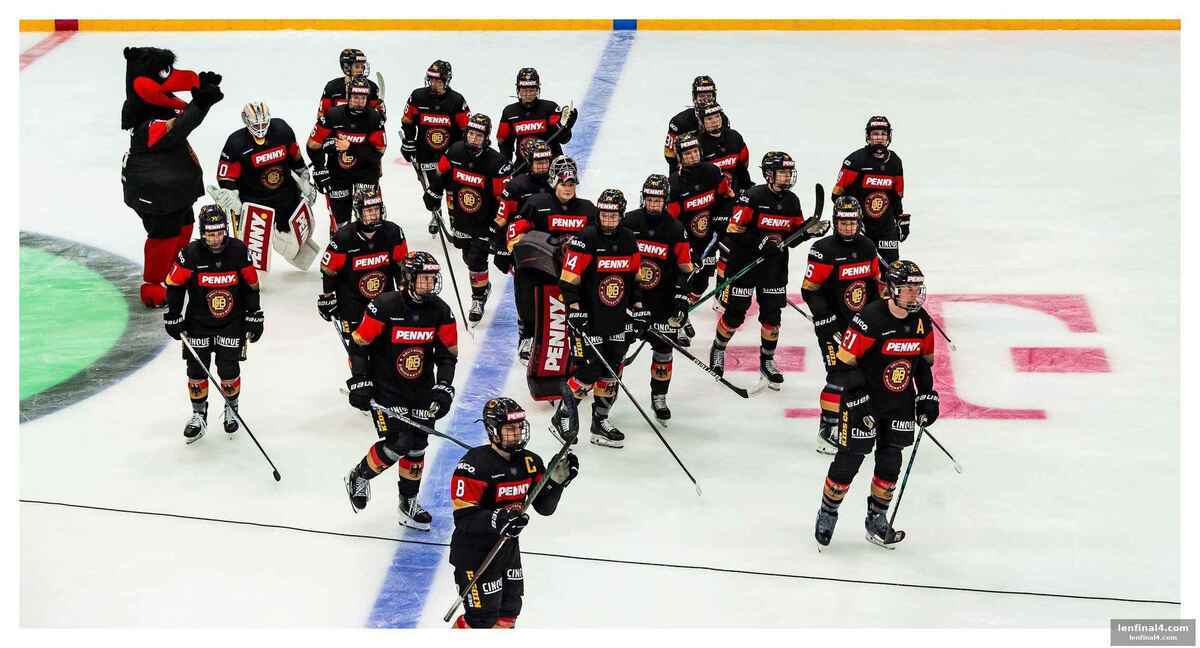
National team concerns intensify
Lutz highlighted the critical need for a broader league structure to support the national team, currently comprised of just 3,000 female ice hockey players – half of whom are active through U15 level. ‘We are losing players at higher levels,’ Lutz stated, ‘simply because of the structural issues and the sheer distances involved for many clubs.’ He believes a more robust DFEL is paramount for nurturing the next generation of German talent.
The recent Olympic appearance in Milan, where the team secured seventh place – attracting over four million viewers – and a strong showing at the final game in Kaufbeuren (1,308 fans) demonstrate the league’s potential. However, the financial strain is undeniable. Despite the investment, the future of the DFEL hinges on attracting new clubs and fostering a sustainable economic model, mirroring successful initiatives seen in Switzerland and Sweden.
A race against time
The situation underscores a wider issue within German women's ice hockey – a persistent lack of investment and infrastructure. Unless significant changes are implemented, the league risks stagnation, ultimately jeopardizing the development of the sport and the ambitions of countless young athletes. Frank Lutz concluded, ‘We need more clubs in the DFEL.’