
German hockey faces funding crisis: league gets €100k boost, but future remains uncertain
The German women’s ice hockey league, the DFEL, is battling for survival, receiving a much-needed €100,000 annual injection from the German Ice Hockey Federation (DEB), but structural and financial woes threaten to cripple the competition.
A league dwindling to just five teams
What was once a vibrant landscape of 11 teams, including former powerhouse ESC Planegg and Berg Kamen, now consists of a mere five: ECDC Memmingen (the dominant force), Berlin’s Eisbären, Ingolstadt’s ERC, and Mannheim’s Mad Dogs, with a surprising addition from Budapest’s HK. This drastic reduction highlights the league’s precarious position, forcing the DEB to consider targeted investment rather than a blanket approach.
Olympia’s glow doesn’t translate to long-term stability
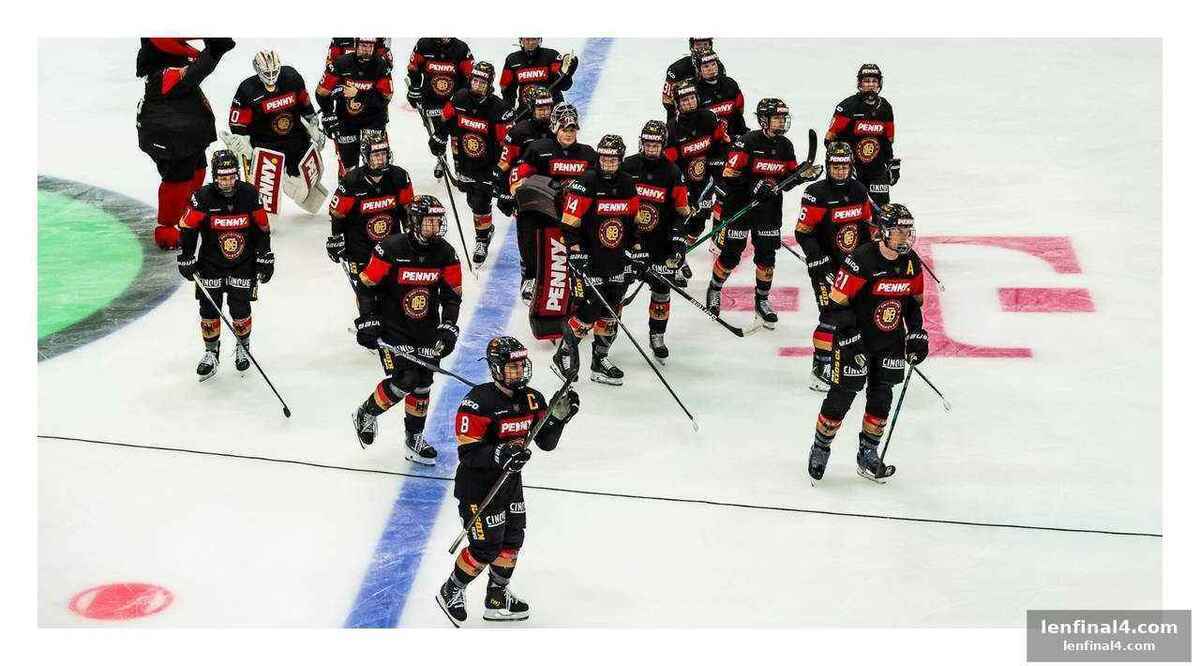
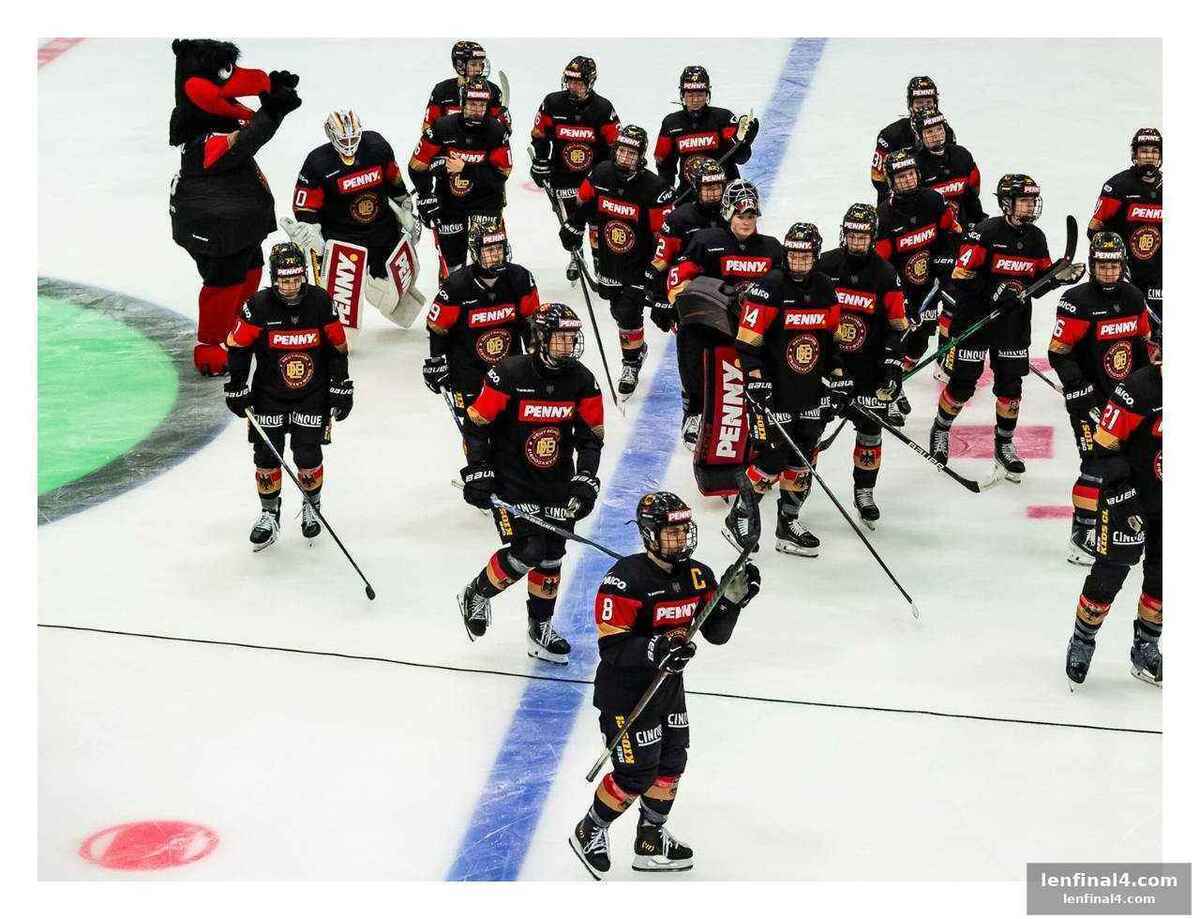
Recent successes – a seventh-place finish at the Olympics after a twelve-year absence and massive television viewership during the season’s finale – offer a tantalizing glimpse of potential. Yet, the numbers tell a starker story: a dwindling pool of female players – currently around 3,000 across Germany, with half active through U15 – and significant geographical barriers that discourage participation.
Strategic investment, not just a checkbook
Frank Lutz, DEB President, insists the funding will be deployed strategically, “not like a watering can.” The money is intended to bolster clubs on the cusp of professional viability, providing an incentive to take the final step and expand the league’s reach. Lutz is hoping this will send a signal to sponsors and the men’s DEL – observing successes in Switzerland and Sweden – that a strengthened DFEL is vital. He emphasized, “A broader DFEL is absolutely essential for the national team’s success.”
Bridging the gap: infrastructure and talent
The current lack of infrastructure – limited travel distances and insufficient club facilities – is actively deterring young players. Lutz pointed to the stark reality: “We’re losing players in the higher age groups simply because it doesn’t work structurally.” The goal isn't just to provide financial support; it's to address the fundamental issues preventing the league from flourishing.
A measured hope, not a guarantee
While the €100,000 investment is a significant step, it’s far from a rescue package. The DEB acknowledges the ongoing challenges and the need for sustained growth. Lutz’s ambition is to create a league capable of competing internationally and nurturing the next generation of German ice hockey stars – a challenge that demands more than just a financial injection.