
Lancia ypsilon 1.2 hybrid review: style, comfort & fuel economy
- Lancia ypsilon 1.2 hybrid: a fresh take on a classic?
- Design and interior: a touch of elegance
- Performance and driving dynamics: city-friendly and smooth
- Fuel consumption and range: a mixed bag
- Pricing and practicality: value for money?
- Pros and cons: a balanced perspective
- Changan deepal s05 vs volkswagen t-roc: a quick comparison
Lancia ypsilon 1.2 hybrid: a fresh take on a classic?
The new Lancia Ypsilon is aiming to revitalize the brand with a modern, hybrid powertrain. This review dives into the key aspects of the 1.2 mild hybrid 110 hp model, exploring its design, driving experience, and practicality. Positioned as a key player in the competitiveB-segment, the Ypsilon faces a challenge in a market dominated by established rivals.
Design and interior: a touch of elegance
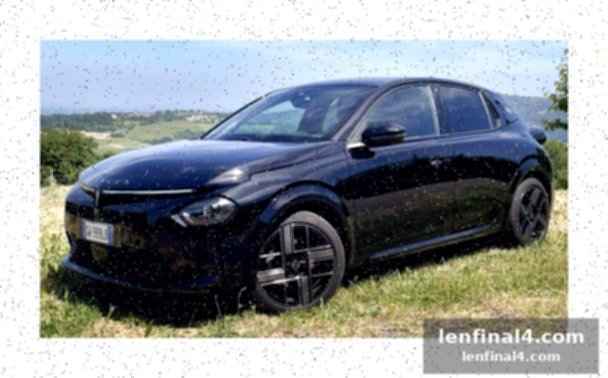
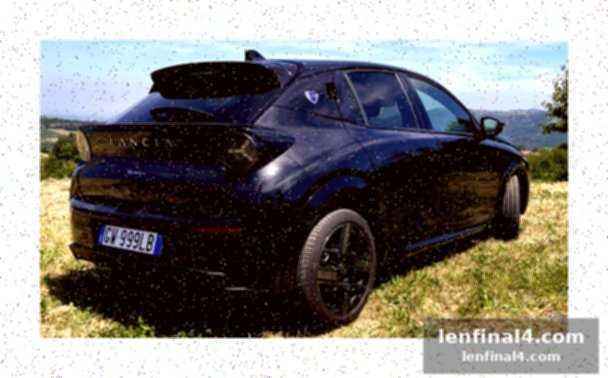
The exterior design marks a departure from previous generations, featuring a distinctive front end and circular rear lights – a nod to the iconic Lancia Stratos. Inside, the cabin offers a comfortable and refined environment, thanks to soft suspension and effective soundproofing. While the infotainment system with two 10.25-inch screens is intuitive, it could benefit from more features. The HF Line and LX trims offer appealing aesthetic touches, though the velvet seats in the LX version can become hot in warmer weather.
Performance and driving dynamics: city-friendly and smooth
The 1.2 three-cylinder turbo petrol engine paired with the 48V mild hybrid system delivers a combined output of 110 hp and 205 Nm of torque. The six-speed dual-clutch e-DCT transmission provides smooth gear changes. Acceleration to 100 km/h takes 9.3 seconds, and the top speed is 190 km/h. The light steering makes it well-suited for urban environments. The transition between electric and thermal power is seamless, aiding in acceleration.
Fuel consumption and range: a mixed bag
Official fuel consumption figures for the Lancia Ypsilon 1.2 Hybrid are 4.5 l/100 km (approximately 22 km/l). However, our testing yielded a slightly higher figure of 17 km/l (around 5.9 l/100 km). Fuel economy varies depending on driving style, with average figures of 17 km/l in the city, 20 km/l on extra-urban roads, and 14.5 km/l on the highway. This is a point to consider when evaluating the car's overall running costs.

Pricing and practicality: value for money?
The Lancia Ypsilon 1.2 Hybrid starts at €25,200 for the base model, with the HF Line and LX trims priced at €28,200. The car's dimensions are 4,080 mm (length), 1,760 mm (width), and 1,440 mm (height), with a wheelbase of 2,540 mm. The boot capacity ranges from 309 liters to 1,118 liters depending on the seating configuration. The 44-liter fuel tank provides adequate range for everyday use.
Pros and cons: a balanced perspective
- Pros: Attractive design, comfortable interior, smooth driving dynamics, effective soundproofing, useful cameras for parking, intuitive infotainment.
- Cons: Fuel consumption differs from official figures, relatively high price for a compact car, hot velvet seats in the LX trim.
Changan deepal s05 vs volkswagen t-roc: a quick comparison
The Lancia Ypsilon competes with a range of rivals, including the Changan Deepal S05, a Chinese SUV with Italian design, and the Volkswagen T-Roc. Each offers unique strengths and weaknesses in terms of price, features, and performance. The Lancia Ypsilon’s appeal lies in its distinctive styling and refined driving experience, but its price and fuel economy may deter some buyers. The Volkswagen T-Roc offers a more established brand reputation and potentially better value, while the Changan Deepal S05 presents a compelling option with a focus on electric mobility.