
German hockey faces funding crisis: league struggles to survive
The Deutsche Frauen Eishockey Liga (DFEL) is facing a stark reality: a precarious future fueled by dwindling support and a rapidly shrinking playing field. Just last month, the league secured a €100,000 annual injection from the German Ice Hockey Federation (DEB), a lifeline for a competition that’s increasingly resembling a shadow of its former self.
Five teams, a nation’s potential lost
Frank Lutz, DEB’s chairman, admitted the league’s structural and financial woes are deeply entrenched. Currently, only five teams – ECDC Memmingen, Eisbären Berlin, ERC Ingolstadt, Mad Dogs Mannheim, and HK Budapest – remain, a pale imitation of the competitive landscape that once boasted greater depth and ambition. The withdrawal of powerhouse ESC Planegg and Bergkamen highlights the brutal attrition impacting the sport’s grassroots development.
Olympian dreams, limited infrastructure
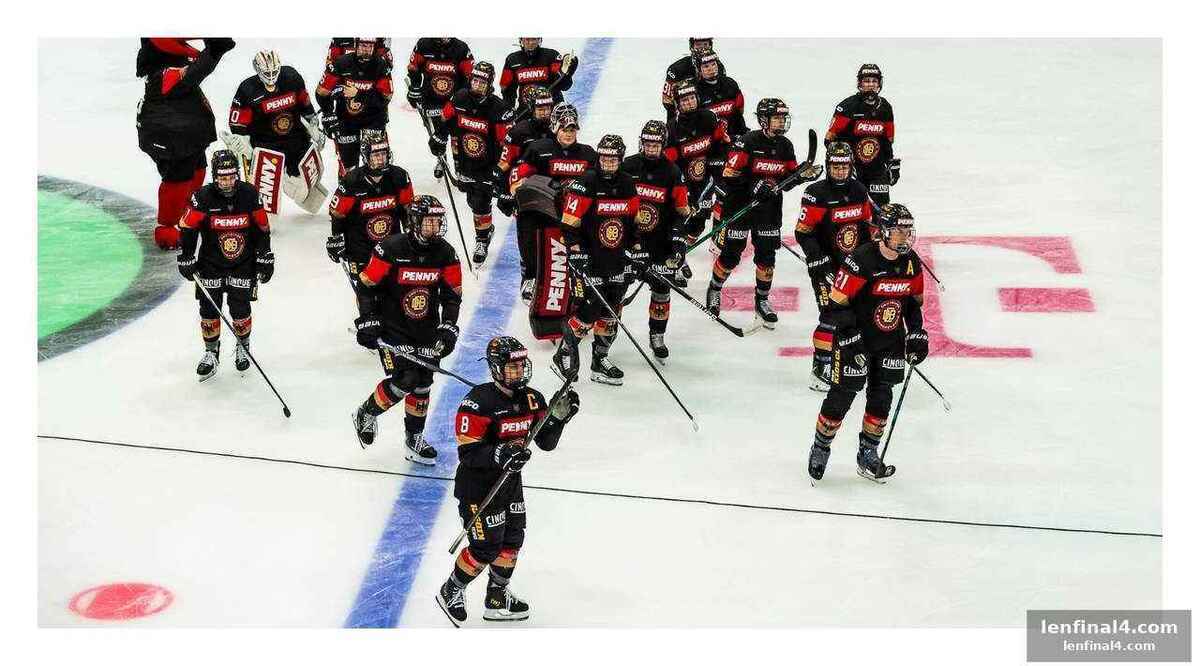
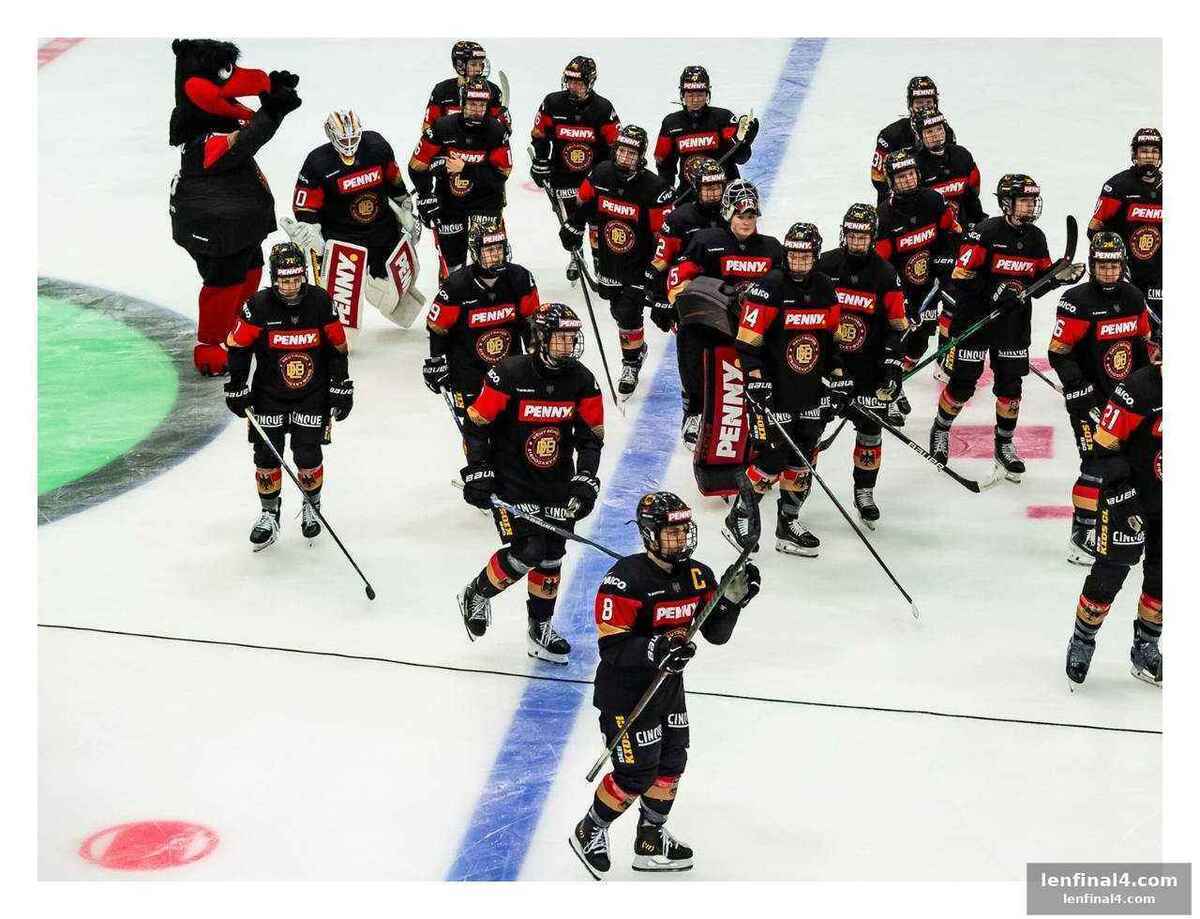
The recent Olympic appearance of the German women’s team, a remarkable return after a twelve-year hiatus, showcased the nation’s passion for the game – drawing over four million viewers. Yet, even that success couldn't mask the fundamental issues. Despite a 1308 enthusiastic crowd in Kaufbeuren, the league’s struggles persist.
A swiss and swedish model – a path forward?
Lutz is pursuing a strategy mirroring successful initiatives in Switzerland and Sweden, aiming to provide targeted financial assistance to clubs on the cusp of professional viability. He believes a sustained investment of €100,000 per year is vital, not just a haphazard handout, to incentivize expansion and ultimately bolster the league’s overall competitiveness. “It’s not about a lottery,” Lutz stressed, “but about strategically supporting those poised to elevate the game.”
3000 Players, a shrinking pool
The issue goes deeper than mere economics. With a mere 1500 female ice hockey players across Germany – half of whom participate up to U15 – the talent pool is simply insufficient to sustain a thriving league. Lutz pointed to the alarming exodus of players beyond the youth ranks, citing structural limitations and geographical barriers. This threatens the long-term health of the sport in Germany.
A call for investment, a nation’s hope
The DEB's commitment, while welcome, is merely a first step. The league needs sustained investment, not just to survive, but to unlock the immense potential of German women’s ice hockey. Lutz’s hope is that this injection will trigger a ripple effect, attracting sponsors and ultimately revitalizing the DEL – the men’s professional league – demonstrating that investing in the foundations yields significant returns. The future of German women's hockey hinges on a decisive move, and the clock is ticking.