
Italy's transit troubles: a nation stuck in traffic, paying the price
Eurostat data paints a stark picture: Italy languishes near the bottom of Europe when it comes to public transportation usage. A staggering 68% of Italians avoid buses, trams, and trains, a habit with tangible consequences for air quality and the nation's healthcare system.
The cost of individualism: billions in healthcare expenses
The numbers are sobering. While the precise figures shift, Italy’s reliance on private vehicles contributes an estimated €34 billion annually to healthcare costs, according to the Società italiana di Medicina ambientale (Sima). This isn't merely an abstract statistic; it represents a direct financial burden linked to respiratory illnesses and cardiovascular problems exacerbated by urban pollution.
The Eurostat report highlights more than just usage figures; it reveals a deeper societal trend. Many Italians simply lack access to reliable public transit in their cities, or perceive existing services as inefficient and unreliable. Gianpiero Strisciuglio, president of Agens, the transportation sector association, doesn't mince words: “The data tells us that local public transport in Italy needs strengthening.”
Yet, the problem isn’t solely about infrastructure. A worrying trend emerges: even among those not at risk of poverty, a significant 69.3% of men and 66.4% of women consistently opt for private vehicles over public transport. This suggests a cultural preference for individual mobility, regardless of economic circumstance.
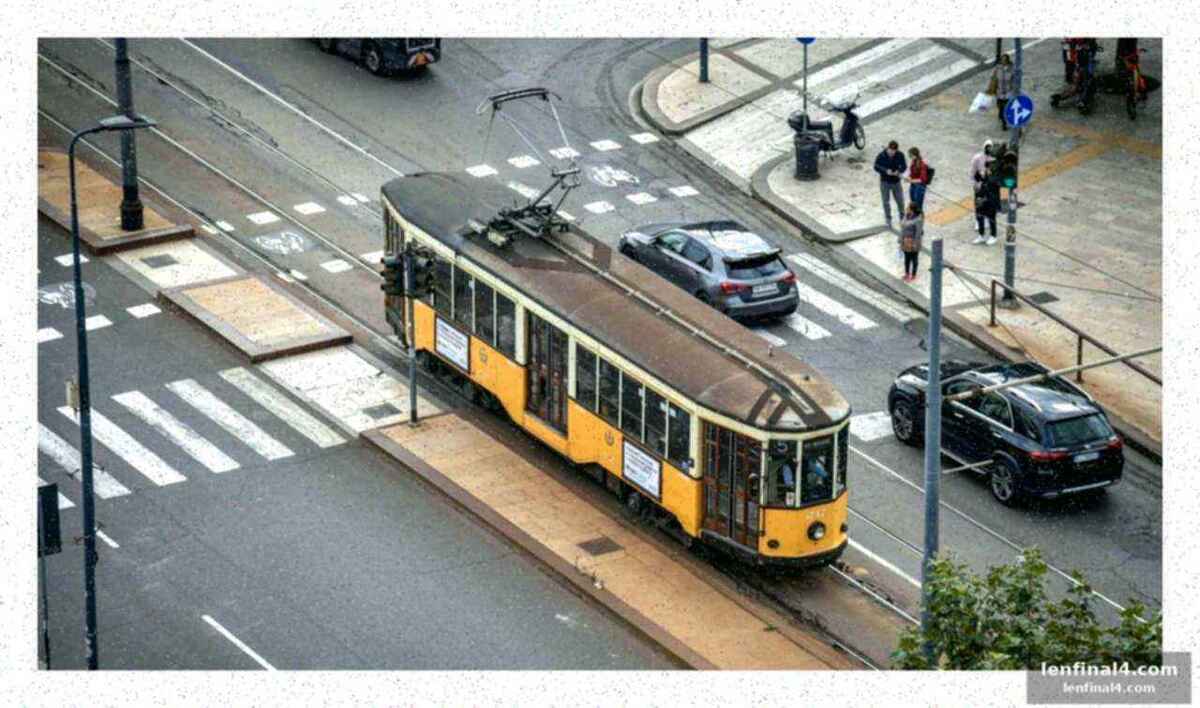
Gridlock in the boot: rome and milan lead the congestion charge
The consequences of this preference are becoming increasingly clear. Inrix Global Traffic Scorecard data places Rome as the 17th most congested city globally and 4th in Europe, costing drivers an average of 76 hours annually – that's nearly two weeks lost to gridlock. Milan isn't far behind, ranking 24th worldwide and 5th in Europe, with a 67-hour annual congestion penalty.
Beyond the frustration of wasted time, this congestion exacts a heavy toll. Vehicle traffic accounts for 26% of Italy’s total greenhouse gas emissions, a significant portion of nitrogen oxide pollution (nearly 50%), and 13% of particulate matter. A reduction of just 10 micrograms per cubic meter of PM2.5 could, according to Sima, lead to a 7% decrease in overall mortality and significant reductions in heart-related and respiratory illnesses.
Alessandro Miani, president of Sima, points to a critical, often overlooked factor: safety and service quality. “Several European surveys reveal that a significant portion of users perceive buses, subways, and stations as unsafe environments,” he notes. “Crowding, poor ventilation, inadequate cleanliness, and close proximity to others are all factors that drive citizens toward the perceived comfort and security of their own cars.”
The Italian paradox is this: a nation renowned for its design and innovation struggles with a transportation system that actively discourages sustainable choices. Until policymakers invest in reliable, safe, and appealing public transit options—and until cultural attitudes shift—Italy will continue to pay the price, both financially and environmentally.