
Italy's public transit crisis: gridlock and health costs surge
A concerning trend is emerging across Italy: nearly seven in ten Italians are forgoing public transportation. This statistic, revealed by Eurostat data, places the nation second to last in Europe for public transit usage. The consequences? Escalating traffic congestion, worsening air quality, and a significant strain on the national healthcare system.
Traffic nightmare: rome and milan among worst in the world
The implications extend far beyond mere inconvenience. Italy's traffic contributes to 26% of total greenhouse gas emissions, with cars accounting for approximately 60% of that. The economic toll is substantial—residents lose an average of 76 hours annually to traffic in Rome, and 67 hours in Milan. These staggering figures underscore a systemic problem demanding immediate attention.
Data from Inrix's Global Traffic Scorecard confirms the worsening congestion. Rome ranks 17th globally and 4th in Europe, while Milan sits at 24th worldwide and 5th in Europe. The situation isn't confined to commute times. The health impact is tangible, with traffic contributing to 19.30 kilotons of PM10 annually.
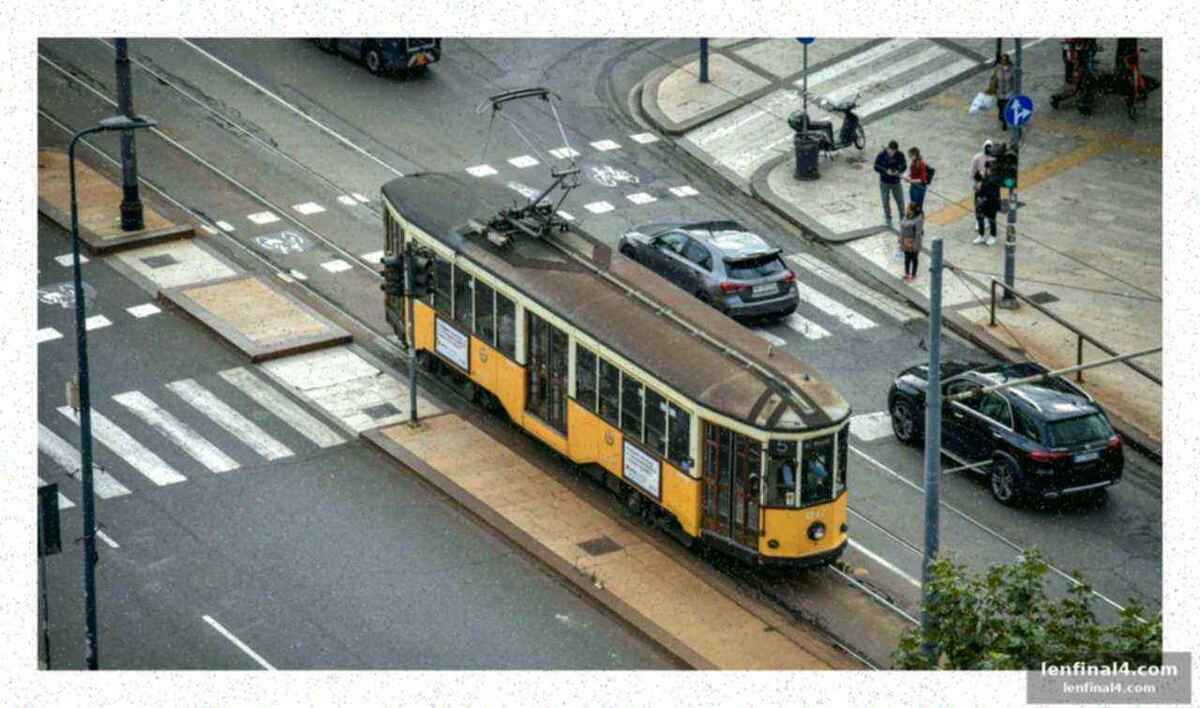
Safety concerns and infrastructure deficiencies drive private vehicle preference
The reasons behind this reluctance to use public transit are multifaceted. A significant portion of the population perceives public transport as unsafe, citing concerns about overcrowding, ventilation, cleanliness, and close proximity to others. Alessandro Miani, president of Sima (Italian Society of Environmental Medicine), highlights that these perceptions drive a substantial number of citizens to opt for private vehicles.
Furthermore, the lack of reliable and efficient public transport in certain areas exacerbates the issue. Addressing this requires not just technological upgrades, but also strategic investment, stable planning, and policies that genuinely support those who ensure mobility for millions. The cost of inaction – in terms of environmental damage and public health – is becoming increasingly apparent.
The numbers are stark: among those at risk of poverty and social exclusion, 68.9% of men and 68.2% of women never use public transport. This is significantly higher than the European average. This isn't just a matter of individual preference; it's a societal challenge with far-reaching consequences.
The data isn't just about habits. It reflects a broader issue of urban planning and resource allocation. Investing in modern, safe, and reliable public transportation isn’t simply a convenience; it’s a strategic necessity for a sustainable future.
n