
Exercise evolves: from performance tool to medical intervention
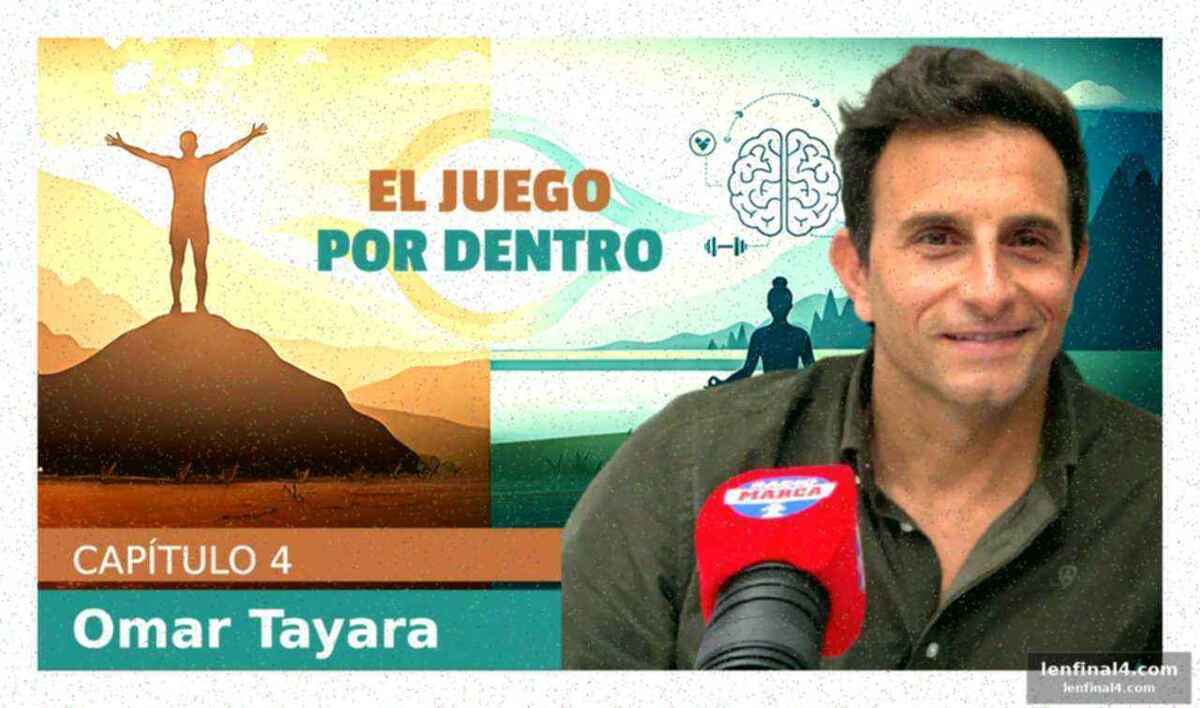
Former Olympic triathlete Omar Tayara argues that physical activity is rapidly transitioning from a means of athletic enhancement to a vital medical treatment. This shift is the core of a compelling discussion in the latest episode of MARCA's 'El juego por dentro' podcast.
The mental game: addressing a critical blind spot
Tayara, a two-time world Aquathlon champion and now a health and longevity advocate, opened by tackling a prevalent issue in elite Sports: the reactive management of mental health. “We used to use psychologists as doctors,” he states, “we’d go to a psychologist when we had a problem, and that’s the mistake.” This resonates with the public discourse surrounding athletes like Michael Phelps and the risks of solely defining oneself by athletic performance.
The podcast also examines the extended sporting careers of figures like Cristiano Ronaldo and Sergio Ramos. Tayara's perspective? Their longevity isn't necessarily about superior gym performance, but about intelligent adaptation. “They are doing it right, and that is longevity,” he asserts. Rest, recovery, technological integration, and consistent habits are the keys to sustained high-level performance beyond 40.
A significant portion of the episode centers on exercise as cancer treatment, a field Tayara witnessed firsthand with his father. He explains that physical activity activates the immune system, bolstering the body's fight against the disease. Scientific validation is growing, with physicians increasingly prescribing exercise as part of oncological care, transforming patients from passive observers to active participants in their own healing.
The 'El juego por dentro' podcast, focused on mental and emotional well-being in Sports, is available on major podcast platforms and MARCA.com. Each two-week release features insights from athletes, former athletes, psychologists, and performance experts.
Tayara’s insights underscore a fundamental change: the understanding that movement transcends mere physical conditioning; it’s a powerful tool for healing, resilience, and a longer, healthier life. The implications for Sports medicine and beyond are profound.