
Velasco hints at retirement, italy's squad depth debate: a new era dawns
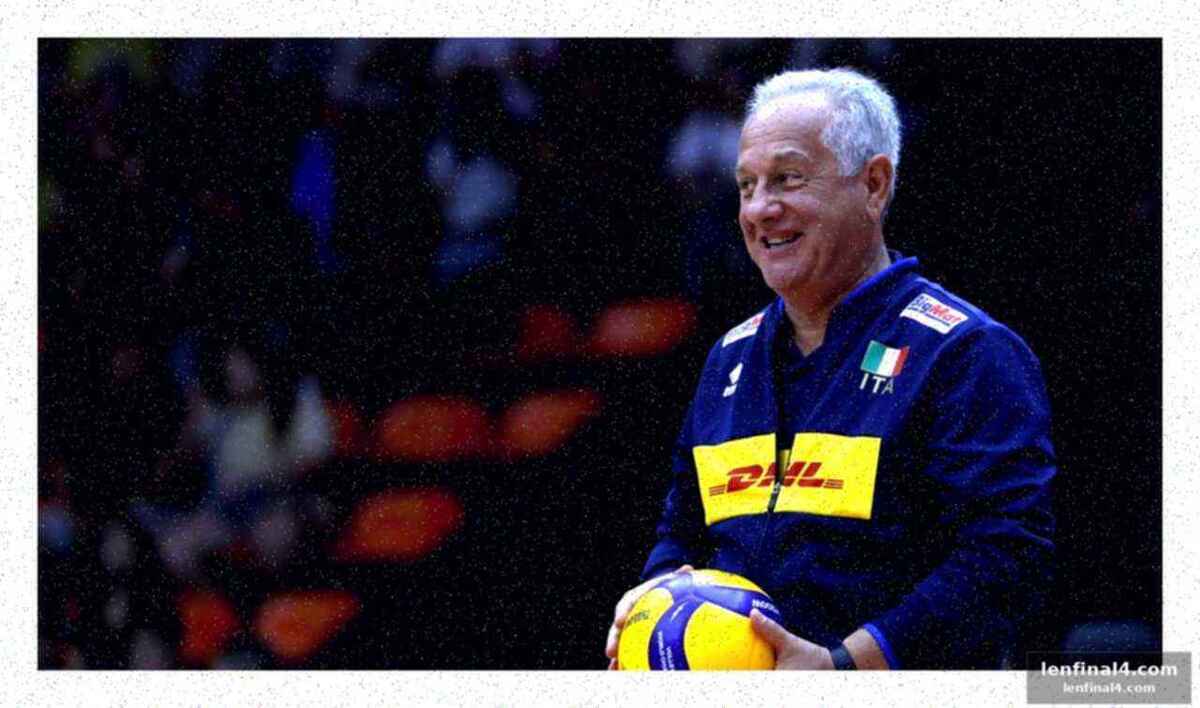
Italy's volleyball team is poised for change following a stellar run of victories.
Julio Velasco, head coach of Italy's women's national volleyball team, signals his impending departure after the upcoming Los Angeles Olympics, paving the way for a new leader. The veteran coach, who has led the team to an Olympic gold medal in 2024, a World Championship title in 2025, and two Nations League trophies, expressed a desire to step back from coaching, stating that he enjoys the act of training more than administrative roles. His comments come amidst discussions about player fatigue and the need for a larger domestic league.
Velasco stressed the strain of the current international schedule, advocating for a 12-team national league instead of the existing 14, arguing that the current workload is excessive. He also addressed the future of star setter Monica De Gennaro, assuring her a spot in the national staff should she desire it, emphasizing her lasting contribution to Italian volleyball. While acknowledging the growth of captain Paola Egonu, Velasco highlighted the challenges of her position and the intense scrutiny she faces.
A key tactical development involves experimenting with outside hitter Elena Antropova in the opposite position, a move intended to leverage her attacking prowess and defensive capabilities. Velasco explained that this trial will last through the Nations League, with results dictating whether the change becomes permanent. He also addressed concerns about player availability, firmly stating that athletes must demonstrate unconditional commitment to the national team, a stance that has been consistent throughout his tenure.
The coach expressed admiration for Italian skier Federica Brignone's recent Olympic performance, seeing it as a testament to the nation's potential. He also praised Argentina's national rugby coach, Quesada, recognizing their knack for creativity when facing limitations. The Italian volleyball program’s future, however, remains uncertain, as Velasco intends to transition to a new role, leaving a legacy of success and stimulating debate about the balance between domestic competition and international commitments.