
The evolution of station wagons: from utility to sporty elegance
- A global journey: the history of station wagons
- Early days: the birth of the 'wagon' concept
- European pioneers: the rise of practicality
- The golden age of american wagons (1950s-1960s)
- The italian spark: the fiat 500 giardiniera
- The evolution continues: innovation and styling (1980s-present)
- Modern trends: all-terrain and shooting brake wagons
- The future of the station wagon
A global journey: the history of station wagons
From its humble beginnings to its current resurgence, the station wagon has a rich and fascinating history. Initially conceived as practical cargo carriers, these vehicles have evolved significantly, transitioning from purely utilitarian vehicles to stylish and versatile family cars. This article explores the journey of the station wagon, highlighting key milestones and regional differences.
Early days: the birth of the 'wagon' concept
The concept of the station wagon originated in the early 20th century with independent manufacturers in the US. These early models, often built on Ford Model T chassis, were designed with extended roofs and interiors to provide greater cargo space. Nicknamed 'carryalls,' they addressed a growing need for vehicles capable of hauling both passengers and goods. The Chevrolet Suburban, launched in 1935, is widely credited with popularizing the wagon format for passenger transport.
European pioneers: the rise of practicality
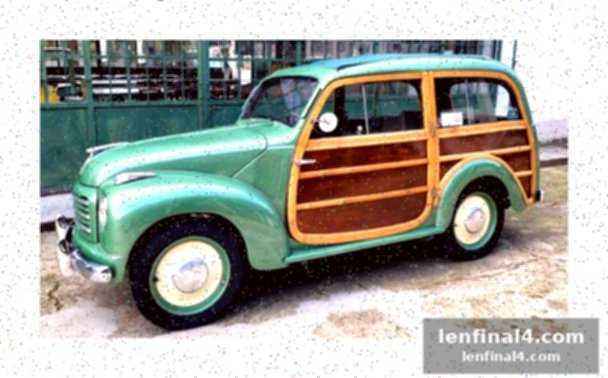
While the US pioneered the station wagon, Europe also embraced the concept, albeit with its own unique characteristics. Early examples, like the Citroën Traction Avant Familiale in 1935, focused on practicality and passenger capacity. Italy contributed significantly with models like the Fiat 1100 Viotti Giardinetta in 1946, which became a popular choice for families. These early European wagons often prioritized functionality and affordability.

The golden age of american wagons (1950s-1960s)
The post-World War II era witnessed the golden age of American station wagons. Iconic models like the Chevrolet Bel Air and Ford Ranch Wagon became symbols of family life. These vehicles emphasized spaciousness and comfort, becoming integral to American culture. This period saw a boom in wagon sales, with manufacturers catering to a growing demand for versatile family vehicles.
The italian spark: the fiat 500 giardiniera
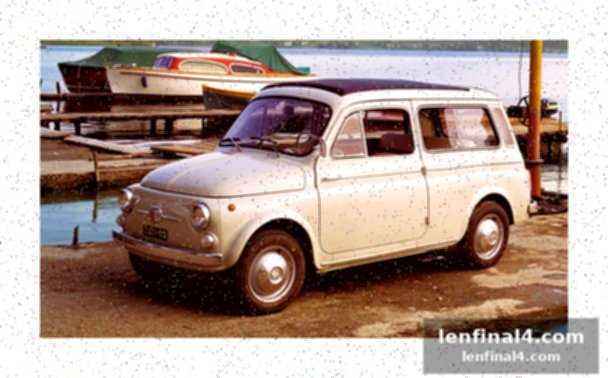
Italy played a crucial role in shaping the modern station wagon. The Fiat 500 Giardiniera, launched in 1960, is considered a pivotal model. This compact wagon, derived from the iconic Fiat 500, sold over 330,000 units and established a lasting legacy for Italian wagons. Its popularity demonstrated the appeal of smaller, more maneuverable wagons for European markets. The name 'Giardiniera' (garden woman) reflected its practicality for carrying goods.

The evolution continues: innovation and styling (1980s-present)
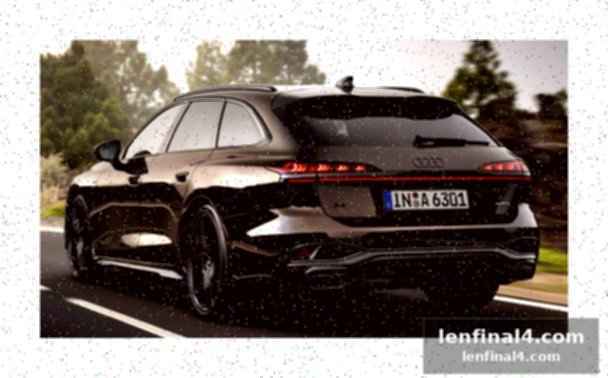
The 1980s marked a period of significant innovation in station wagon design. Manufacturers introduced more dynamic styling and features, like the Audi 100 Avant with its steeply raked rear window. The Lancia Thema wagon, styled by Pininfarina, exemplified the growing trend of sporty wagons. The rise of SUVs in the 2000s significantly impacted wagon sales, but the market remains vibrant, with emerging trends like all-terrain wagons and shooting brakes gaining popularity.
Modern trends: all-terrain and shooting brake wagons
Today, station wagons are adapting to changing consumer preferences. All-terrain wagons combine the practicality of a wagon with off-road capabilities, offering enhanced ground clearance and all-wheel drive. The Mercedes-Benz CLS Shooting Brake exemplifies the modern shooting brake trend – a stylish and sporty take on the traditional wagon, often with a coupe-like roofline. The term 'shooting brake' originates from the carriages used for hunting, reflecting the vehicle's historical association with spaciousness and versatility.

The future of the station wagon
While the station wagon market has shrunk significantly, it remains a relevant and desirable vehicle type, particularly in Europe. Manufacturers continue to innovate, offering a range of options to meet diverse needs. The future of the station wagon likely lies in blending practicality, style, and advanced technology, appealing to a new generation of buyers. The trend towards electric station wagons is also gaining momentum, indicating a commitment to sustainable mobility.