
Nfl draft preview: pittsburgh set to ignite the league's future
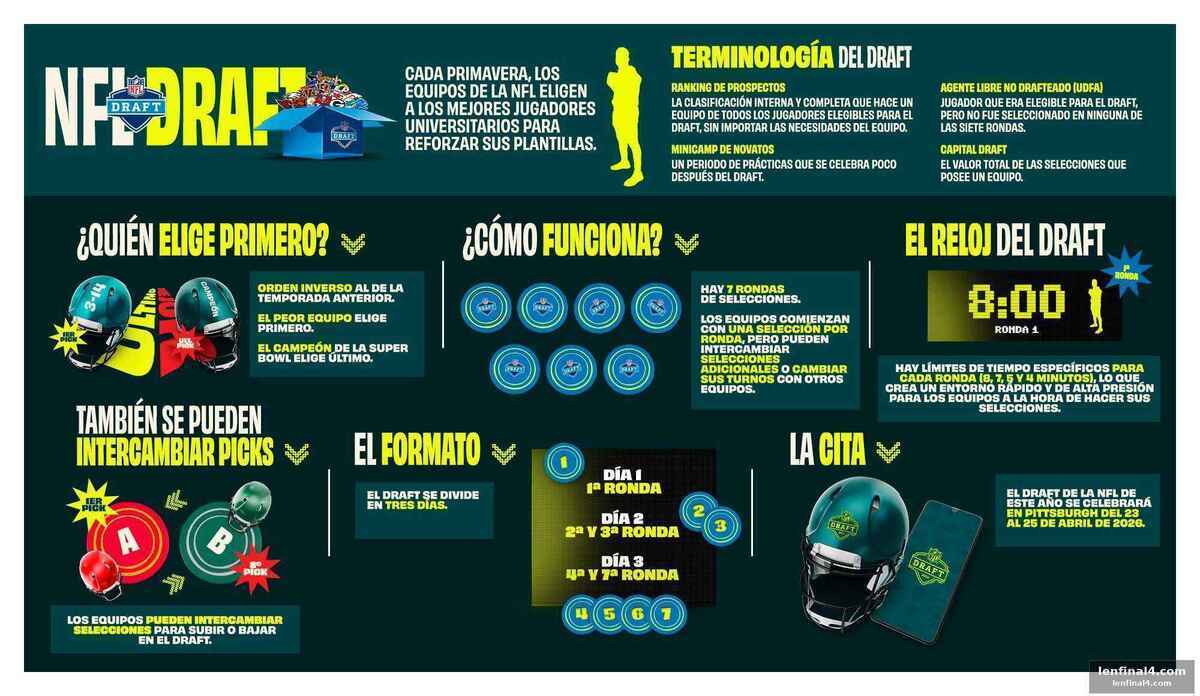
The NFL Draft is rapidly approaching, already injecting a palpable tension into the league’s ecosystem even before the first snap of September. From April 23rd to 25th, Pittsburgh will host a pivotal event – a collision of ambition, strategy, commerce, debate, and the promise of tomorrow. Charles Davis, a seasoned NFL analyst and draft specialist, offered some pointed observations during a virtual press conference, dissecting potential prospects, charting collegiate football trends, and illuminating the draft’s profound impact on franchise construction.
The draft: the nfl’s engine of renewal
Davis began with a fundamental truth: the draft remains the bedrock of NFL revitalization. It’s not merely a televised spectacle or a parade of hopeful faces; it’s the mechanism through which teams rebuild, correct mistakes, fill critical gaps, and, occasionally, rewrite narratives. He rightly lauded Pittsburgh’s selection, noting its resonance with the city’s fervent Steelers fandom – a potent symbol of football’s deep cultural roots in America.
The growing international interest adds another layer. Fans in Spain can now tune in live and free via DAZN and NFL Game Pass, showcasing the league’s expanding global reach. The NFL’s International Pathway Program, highlighted by Davis, underscores this trend, showcasing a diversifying pool of talent from around the world – a shift that’s reshaping the competitive landscape.

Rising stars and global talent
Names like Jamie Gillan (Scotland), Jordan Mailata (Australia), and Moritz Böhringer (Germany) epitomize this global expansion. Mailata’s improbable rise from relative obscurity to an All-Pro exemplifies the draft’s ability to unearth unexpected stars. Davis pointed to players like Jeremiyah Love, Dillon Thienemann, and Spencer Fano as examples of scouting departments prioritizing not just raw athleticism, but also potential and contextual fit.
Fernando mendoza: a quarterback under the microscope
However, the spotlight undeniably fell on Fernando Mendoza, the California quarterback. Davis clearly articulated the league's keen interest in his development, tracing his trajectory from Cal to Indiana. He cautioned against premature labeling, stating, “He’s a great player, and we’re excited about what he brings to the table.” Yet, he deftly avoided hyperbole, framing Mendoza’s potential with measured optimism: “We believe he’ll be a great player in the NFL. Whether he’s generational, like Brady, is something to watch unfold.”
The pressure to identify the next Brady, the heir apparent, is a perennial NFL obsession. Davis wisely opted for restraint, emphasizing Mendoza’s character and the league’s enthusiasm. This demonstrates a crucial element of scouting – recognizing talent while acknowledging the immense pressure that comes with such expectations.

Navigating the nil era and collegiate landscape
Davis also tackled the seismic shift brought about by Name, Image, and Likeness (NIL) rights. This new ecosystem, coupled with player flexibility, has fundamentally altered the pre-draft landscape. The inherent tension between a player’s freedom to choose their destination and the league’s competitive constraints remains a key debate. “It’s a complex balance,” he explained, “because the traditional route to the NFL – through the draft – has been defined by this process for decades.”
Despite the increased autonomy, Davis highlighted the immediate advantages of entering the league: salary, bonuses, and a clear pathway to professional success. This creates a calculated trade-off – initial freedom in exchange for rapid entry into the most powerful economic and competitive structure in football.
Beyond the names: a strategic draft
Ultimately, the NFL draft isn’t just about identifying superstars. Often, it’s about discovering reliable role players – a stout linebacker, a sharp safety, or a dependable offensive lineman. Davis’s focus on these “under-the-radar” contributors reveals a pragmatic approach to scouting: prioritizing talent, projection, context, and market value. It's a reminder that even in a league obsessed with flash, consistency and strategic depth can be just as valuable.
As the draft unfolds in Pittsburgh, one thing is clear: it’s a meticulously orchestrated process, fueled by anticipation and driven by a relentless pursuit of competitive advantage. Charles Davis’s insights underscore a crucial truth: the NFL draft isn’t simply a spectacle; it's the engine that drives the league’s future. And, frankly, it’s a show worth watching.