
Dujshebaev abruptly departs kielce: what's next for handball powerhouse?
A bombshell dropped in the handball world Friday afternoon: Talant Dujshebaev, the legendary coach, and Industria Kielce have severed ties after nearly 12 years together. The move, announced just as Kielce enters a critical phase of the season, leaves fans and analysts scrambling to understand the impetus behind this sudden shift.
The coach’s reasoning: a need for fresh perspective
Kielce's official statement attributed the decision to Dujshebaev’s belief that the team required “a new impetus to remain competitive in the crucial phase of the season.” While diplomatic, the phrasing suggests a growing disconnect between the coach's vision and the team's performance. The coach, who had publicly expressed happiness in Kielce as recently as September 2025, citing a contract valid until 2027, clearly felt a change was necessary.
The immediate fallout has been palpable, sending ripples throughout European handball. Kielce, consistently a contender in both the ChampionsLeague and the Polishleague, now faces a significant challenge in maintaining its momentum without the man who has defined its success for over a decade. The impact on their current campaign is a major question mark.
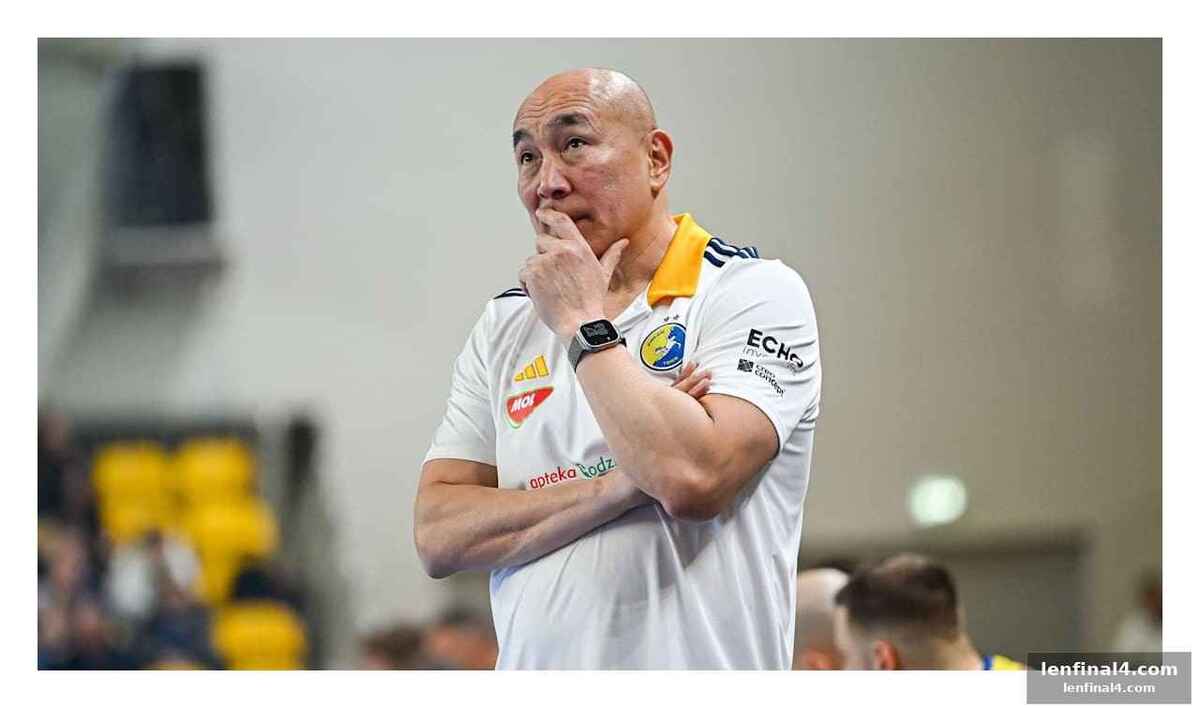
France unaffected: dujshebaev’s national team role secure
But there’s a crucial detail: the French Handball Federation has swiftly clarified that Dujshebaev’s departure from Kielce has no bearing on his commitment to the French national team. He is slated to continue as head coach of Les Bleus, a role he assumed in February 2026. The federation’s statement emphasized that his professional and personal plans outside of international competition remain unchanged, offering a degree of stability amidst the Kielce upheaval.
Few who’ve worked with Dujshebaev would dispute his ability to instill discipline and tactical acumen. Reports from German coaches who’ve experienced his mentorship describe an intense, demanding, but ultimately rewarding environment. However, the Kielce announcement suggests that even a coach of Dujshebaev's stature can face internal pressures and challenges that lead to difficult choices.
The timing is particularly striking. Kielce is currently battling for supremacy in both domestic and continental competitions. Replacing a coach of Dujshebaev’s caliber mid-season is a gamble, one that could either revitalize the team or further destabilize their campaign. The coming weeks will be critical in determining the long-term consequences of this dramatic separation.