
Bolsova hangs up heels: a quiet end to a promising career
La Bisbal de’Empordà – The roar of the crowd, the relentless pursuit of a Grand Slam – it all faded for Aliona Bolsova this Wednesday, as she conceded defeat to compatriot Marina Bassols in the quarterfinals of the Challenger WTA 125 event. At 28, and ranked 250th in the world, the Moldovan-born player has brought a curtain down on her professional journey.
Her initial victory over American Peyton Stearns, a grueling three-hour battle, offered a flicker of hope. But against Bassols, the momentum simply wouldn’t shift. The final scoreline – 6-3, 7-6 (7) – marked the end of a career punctuated by flashes of brilliance but ultimately devoid of the major titles she’d craved.
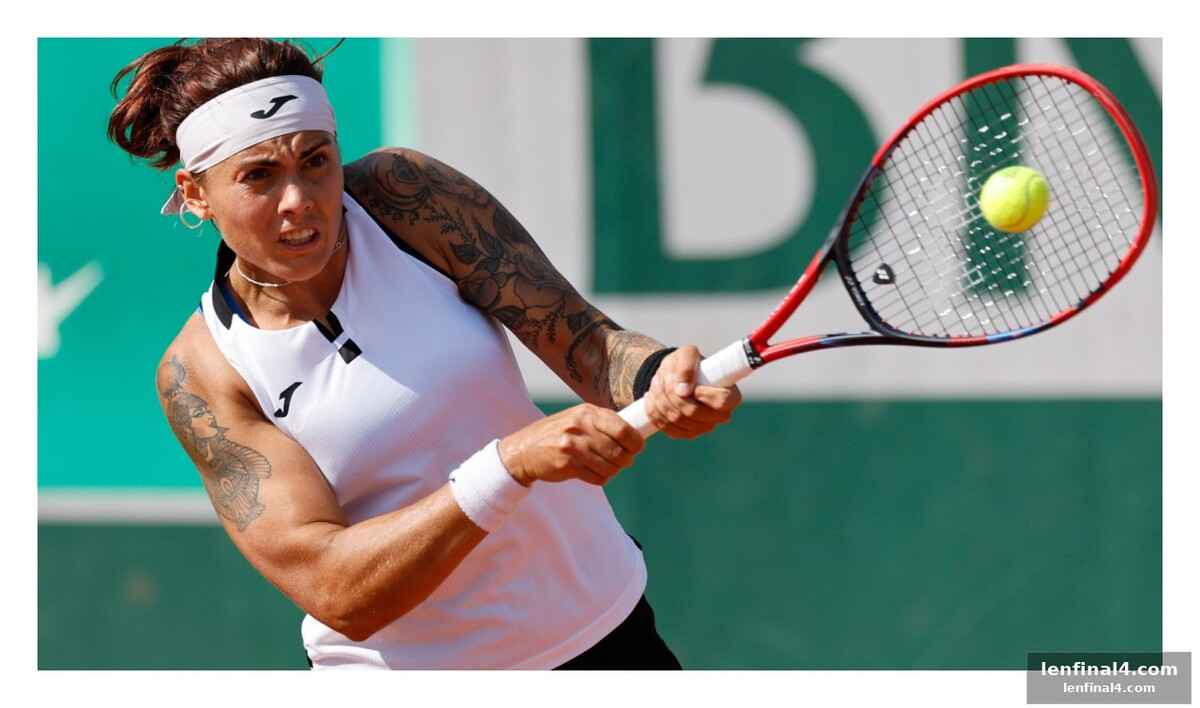
A grand slam fourth, a doubles victory – but no more
Bolsova’s rise hadn't been without merit. She’d stormed into the fourth round of the 2019 Roland Garros, reaching a career-high ranking of 88. That year, she secured a WTA doubles title with Tamara Korpatsch in Budapest, a testament to her versatility. However, the consistent pressure of the tour, the relentless cycle of qualifying and losing, proved too much.
Born in Chisináu in 1997, Bolsova’s path to the professional circuit was shaped by the legacy of her Olympic sporting parents. Yet, despite her considerable talent and her peak ranking, she departs without a coveted singles trophy. It’s a sobering reflection on the brutal realities of competitive tennis, a sport where longevity and consistency are often as valuable as raw talent.
The final score, a stark 6-3, 7-6(7), isn’t just a statistic; it’s the echo of a dream deferred. Bolsova’s story isn't one of spectacular triumphs, but of a dedication sustained over years, ultimately ending on a bittersweet note. She's leaving the game with respect and, undoubtedly, a lingering sense of what might have been.