
Austria's bundesliga: stability and promotion uncertainty loom as clubs finalize licensing
Thirty-two Austrian Bundesliga clubs submitted their licensing applications for the 2026/27 season on Monday, signaling preparations for the upcoming campaign. The move also reveals a potentially quiet transfer window in terms of league movement, with no expected relegation from the second tier.
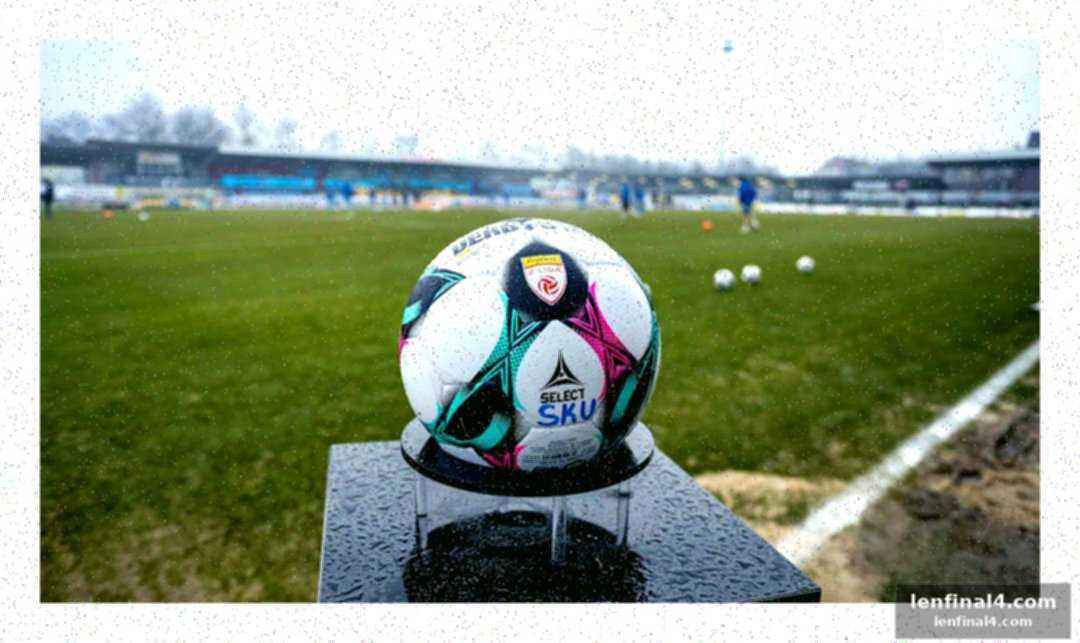
Amstetten to remain in second division amidst licensing process
While all twelve Bundesliga teams have submitted their applications for the 2025/26 season, the path to promotion from the second division is looking narrow. Only six teams – including Admira Wacker, Austria Lustenau, FAC, St. Pölten, Vienna, and Schwarz-Weiß Bregenz – theoretically have a chance at reaching the top flight. The Austrian Bundesliga confirmed this in a statement on Tuesday.
Amstetten, the current second-division leader, is confirmed to remain in the second tier. Alongside them, Kapfenberg, Liefering, Austria Salzburg, Hertha Wels, and five amateur clubs (Sturm, Rapid, Austria Wien, LASK, and WAC) are also seeking promotion to the second league. The promotion race will likely be hotly contested in Regionalliga Ost, with Oberwart and Horn currently trailing.
The licensing process involves scrutiny by the Bundesliga's licensing administration (including KPMG's financial experts) and Senate 5 (the licensing committee). A first-instance decision is expected by April 8, 2026. Clubs denied initial approval have eight days to appeal, with a final decision from the protest committee expected by the end of April. A final appeal to the Permanent Neutral Arbitration Court is possible, with a decision anticipated by mid-May.
Beyond promotion battles, the focus shifts to the Bundesliga's top scorers. The competition is fierce, with several players vying for the title. The licensing process, while often overlooked, represents the foundational element upon which the league’s future stability rests. The financial health of these clubs dictates not just their sporting ambitions, but the overall health of Austrian football.
The coming weeks will be critical as the Bundesliga assesses each application. The outcome will shape not only the competitive landscape of the Austrian leagues but also the financial stability of numerous clubs.