
Raimund's oslo nightmare: a stark reminder of ski jumping's volatility
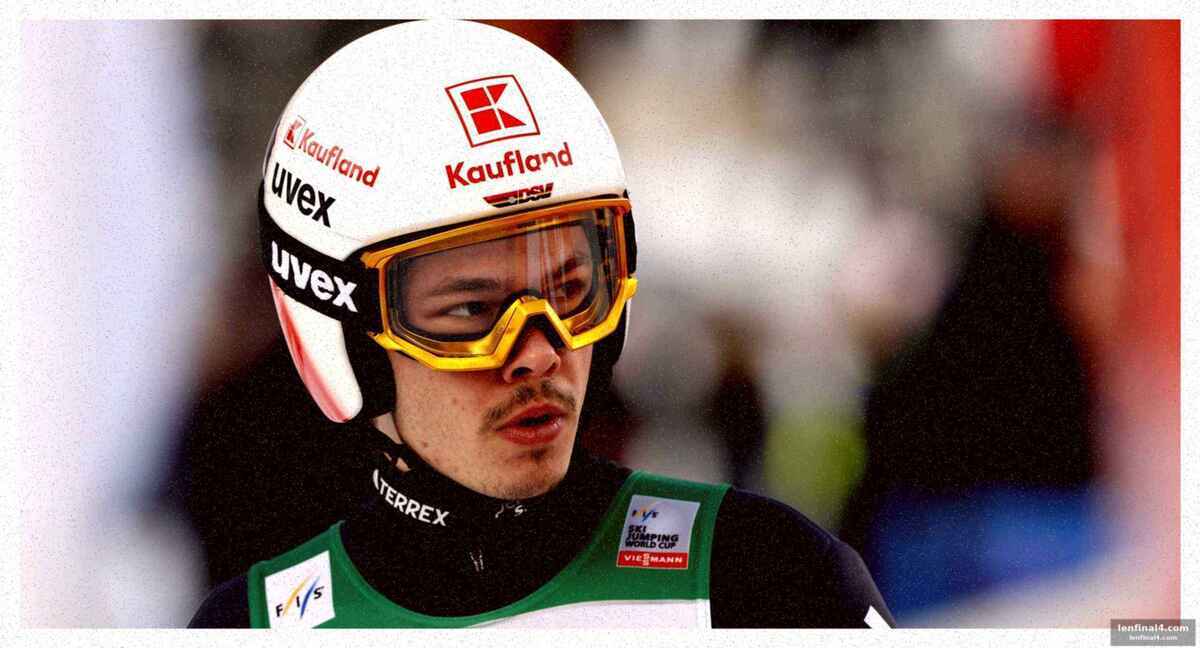
Philipp Raimund, fresh off an Olympic and World Cup victory, experienced a brutal reality check at the Holmenkollen on Saturday. A disastrous first jump sent the German ski jumper tumbling down the standings, leaving him stunned and out of contention for the second round – a classic ‘Holmenkoller’ that even seasoned veteran Domen Prevc couldn’t escape.
A sudden descent for a rising star
The 25-year-old’s 36th-place finish, his worst result since December 2024, was a stark contrast to his recent triumphs. Raimund, visibly frustrated initially, quickly adopted a pragmatic tone. “Well, things can change that quickly,” he remarked, succinctly capturing the unpredictable nature of the sport. He pointed to a late start and a failure to fully engage his body as contributing factors to a jump measuring just 119.0 meters, a significant shortfall from his usual standards. “I was simply two meters too late, which completely threw me off.”
Deschwanden shocks the field, paschke record falls
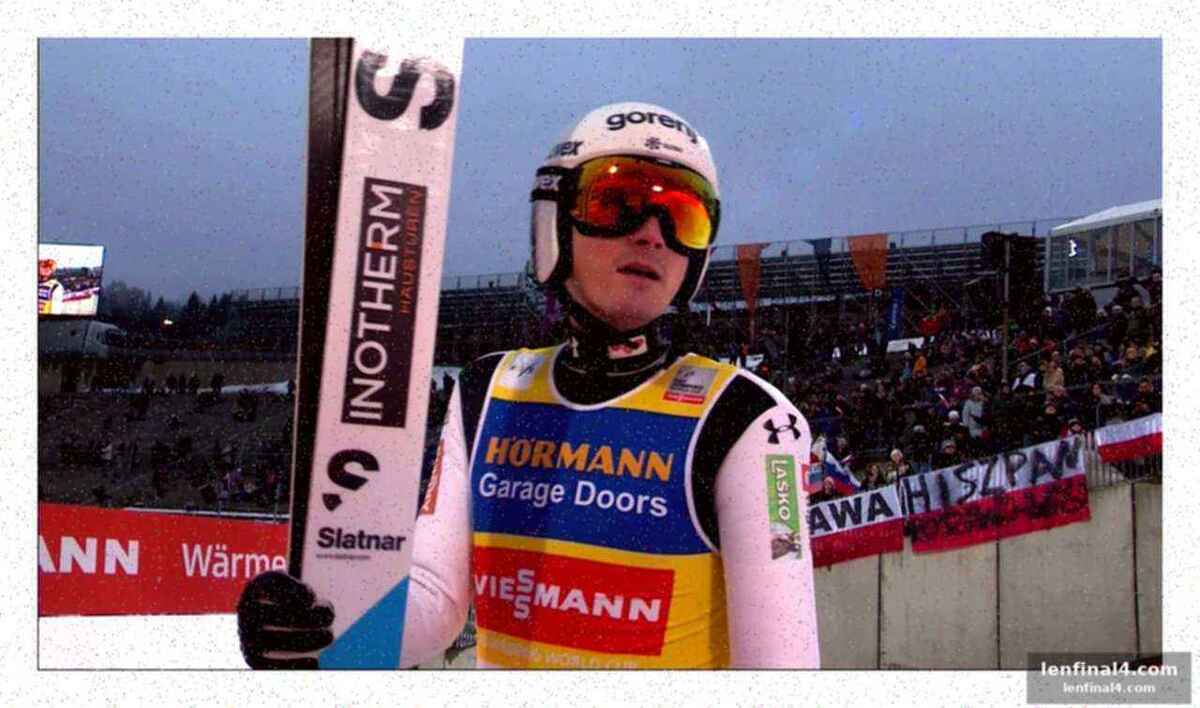
While Raimund and Prevc struggled, Switzerland’s Gregor Deschwanden seized the opportunity, delivering a stunning performance to claim victory. His jumps of 132.5 and 130.5 meters (263.1 points) secured him the top spot, edging out Austrian Maximilian Ortner and Japan’s Naoki Nakamura. Deschwanden's triumph also broke Pius Paschke’s record as the oldest first-time World Cup winner, a title Paschke earned at 33 in Engelberg just a year prior.
The conditions at Oslo were notoriously challenging, with shifting winds playing havoc with jumpers throughout the competition. Domen Prevc, a 13-time season winner and already crowned World Cup champion, fell victim to a gust of wind just after his takeoff, costing him a place in the second round. “This is classic Oslo,” Prevc conceded, “you have to be prepared for the unexpected.”
German team fails to gain momentum
The German team, as a whole, endured a difficult day. Andreas Wellinger, a two-time Olympic gold medalist, managed a respectable 17th place, but only he and Karl Geiger (19th) and Paschke (30th) advanced to the final round. Felix Hoffmann’s performance was particularly disappointing, finishing in 44th place. “It wasn’t good,” admitted German national coach Stefan Horngacher, summarizing the team’s lackluster showing. Raimund echoed the sentiment, expressing a desire for a practice round to better acclimate to the demanding Holmenkollen hill.
Despite the setback, Raimund remains optimistic. He gets a chance at redemption tomorrow, Sunday, in the final Holmenkollen competition, a chance to erase the memory of this Saturday’s debacle and reaffirm his position as a force in the world of ski jumping. The roar of the crowd, the pressure of competition – it’s all part of the game, and Raimund, for one, seems ready to face it head-on.