
Nostalgia vs. nutrition: what really changed on our plates?
Grandparents lamenting the decline of food quality? A familiar refrain. But is the past truly better when it comes to what we eat? The conventional wisdom—that older food was somehow fresher, more wholesome—doesn’t always hold up under scrutiny. It's a surprisingly complex equation, and the answer, as always, depends on how you measure it.
The allure of seasonal eating and simplicity
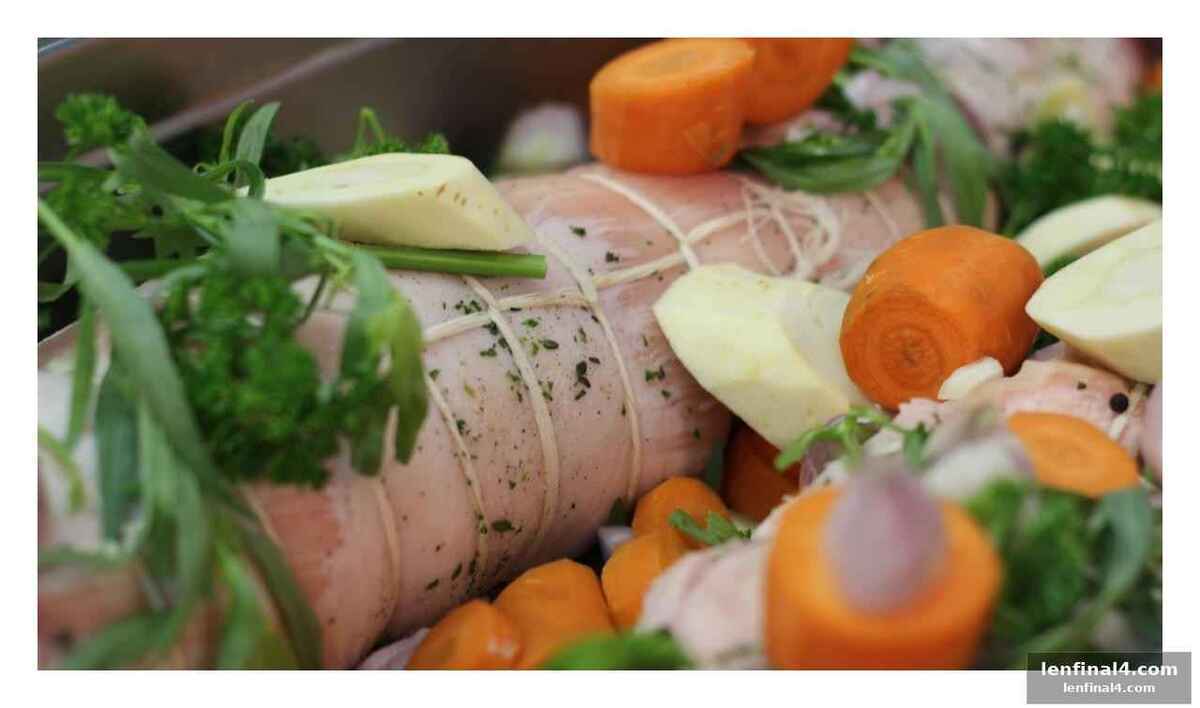
There’s a romantic notion to the pre-globalized era: food arriving in season, sourced locally, cooked from scratch. Vitrinor points out that before intricate logistical networks, produce was naturally constrained by the calendar. Fruits and vegetables were consumed at their peak ripeness and flavor, a distinct advantage. The absence of ultra-processed foods was another significant factor. Recipes centered around raw ingredients, offering greater control over salt, fat, and sugar—a stark contrast to the pre-packaged temptations lining supermarket shelves today.
But let's not romanticize it too much. Food safety standards were laxer. Intoxications, often stemming from rudimentary refrigeration or hygiene, were far more common occurrences than they are now. The FAO reminds us that diet diversity was limited—a luxury we largely take for granted.
Modern safeguards and a world of choice
The current food system, for all its flaws, has delivered undeniable improvements in safety. Serious foodborne illnesses are thankfully rare. And the sheer variety available is staggering. Where once protein deficiencies were a concern, now a wide range of options – from lentils to lean meats – are accessible to most. The expansion of global trade has broadened our culinary horizons, allowing for year-round access to fruits and vegetables previously unavailable in many regions.
The paradox, however, lies in our modern tools. We have the knowledge and the ingredients to eat exceptionally well. Yet, our increasingly frantic lifestyles push us toward quick, convenient—and often nutritionally deficient—choices. The relentless churn of modern life prioritizes speed over substance.
Reclaiming the mediterranean ideal
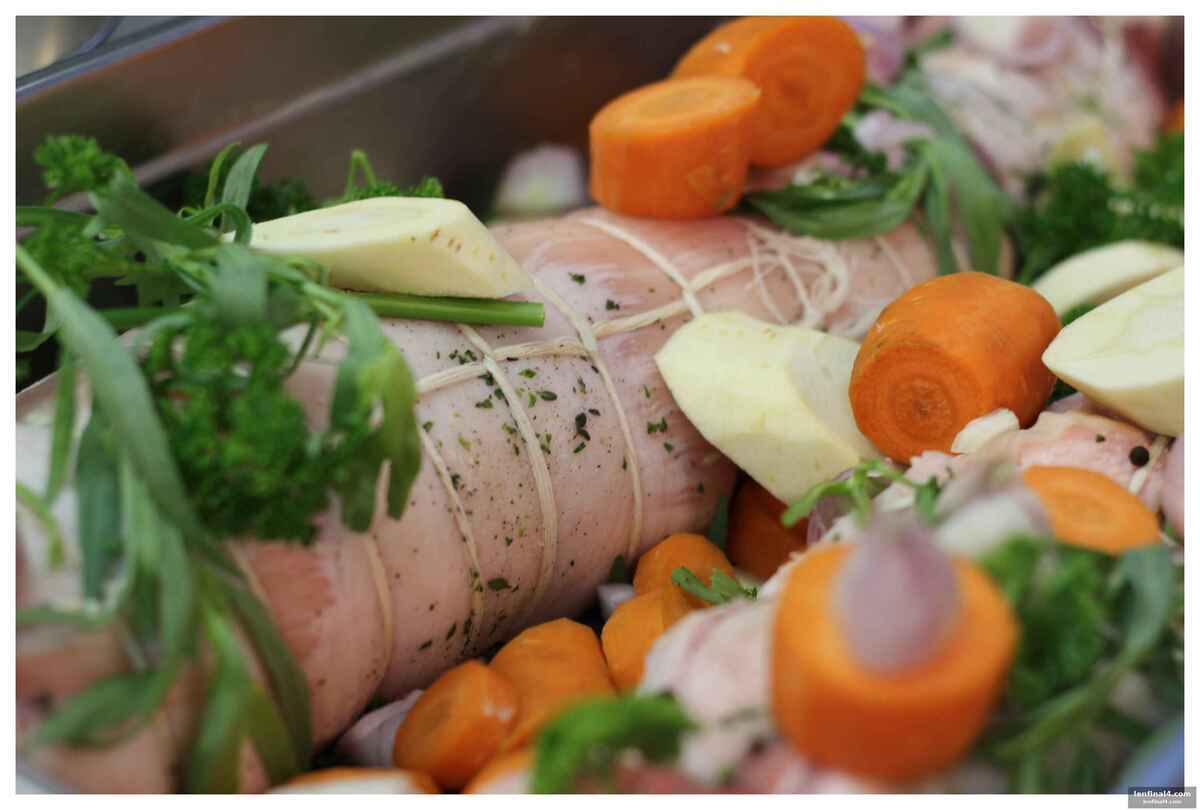
The solution, according to the Fundación Española de Nutrición, isn't to reject progress entirely, but to selectively integrate the best of both worlds. Embrace the principles of the traditional Mediterranean diet – fruit, vegetables, legumes, and olive oil – while leveraging the safety and variety afforded by today’s markets. To discard decades of advancements in food science and safety would be foolish. Instead, the challenge is to reclaim a sense of intentionality in our eating habits, to consciously choose quality over convenience, and to rediscover the simple pleasure of a well-prepared, wholesome meal. The numbers speak for themselves: rates of obesity and diet-related diseases continue to climb, a stark indictment of our current trajectory.