
Biathlon star michael rösch opens up on depression and suicidal thoughts
Biathlon athlete michael rösch reveals struggle with depression
Michael Rösch, the 42-year-old biathlete, has publicly shared his battle with depression, revealing he experienced suicidal thoughts during his active career. Rösch, a former Olympic gold medalist in the relay event at Turin 2006, discussed his mental health journey in his podcast, “Nacksch – vom Olympiasieg in die Depression” (Nacksch – From Olympic Victory to Depression).
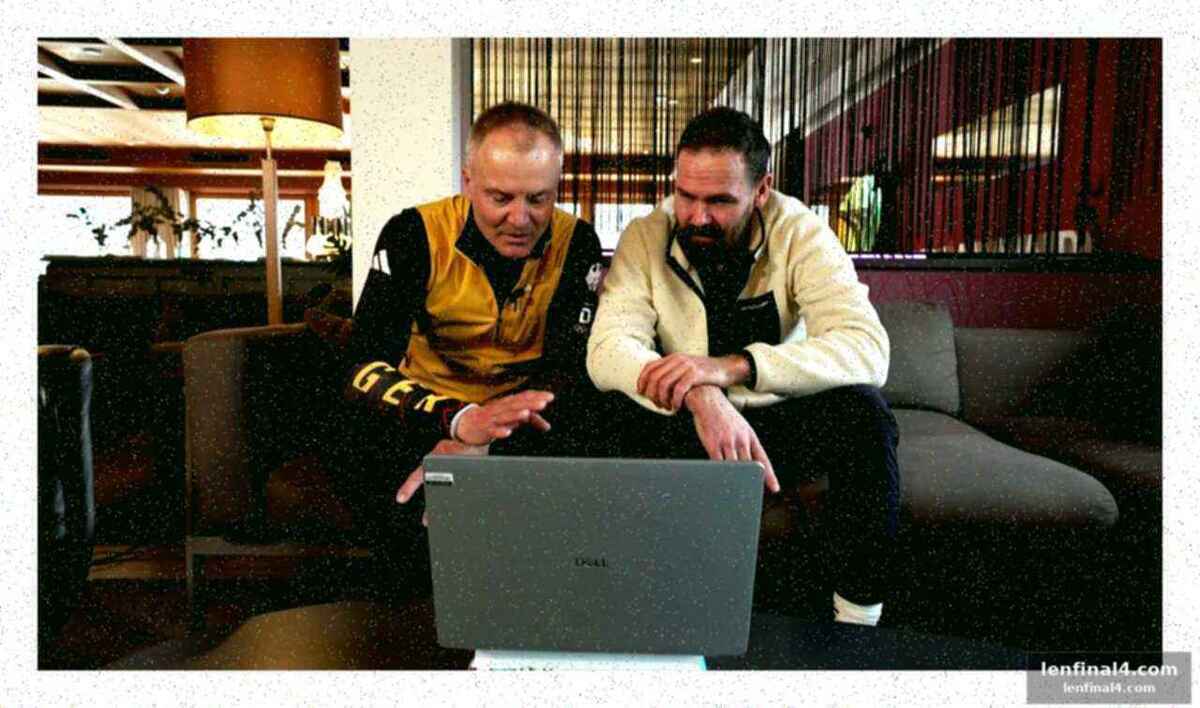
A difficult career path marked by setbacks
Rösch’s career began with a triumphant Olympic gold medal, setting high expectations. However, subsequent successes were limited, and financial difficulties added to the pressure. He recounted a particularly dark moment after a World Cup race in Pokljuka in 2009, stating he felt “broken” and left the stadium feeling emotionally depleted. These early struggles foreshadowed a challenging period ahead.

Navigating mental health challenges in biathlon
Despite facing setbacks, Rösch initially resisted seeking professional help, fearing it would be perceived as a sign of weakness. This proved to be a grave mistake. His mental health deteriorated, leading to panic attacks and eventual exclusion from the German national team before the 2012 World Championships in Ruhpolding, despite meeting qualification standards. This period was fraught with conflict with the German Ski Federation (DSV).
Nation switch and a turning point
To navigate his situation, Rösch made the difficult decision to switch nationalities to Belgium. This move involved a lengthy process and a period of uncertainty regarding his status. In January 2013, he admitted to experiencing suicidal thoughts for the first time. While the nationality switch proved beneficial, physical problems, including a glandular fever and Achilles tendon rupture, created a life-threatening situation in 2015, leading to a period of physical and emotional withdrawal.
Seeking help and finding recovery
Following his retirement in 2019, Rösch experienced an emotional breakdown and sought emergency medical attention. Therapy and medication proved instrumental in his recovery. He described the process as a transition from a period of mental fog to clarity. Rösch emphasizes that therapy is an ongoing process and encourages others facing similar challenges to seek help. “Search for help!” he urged.
Rösch’s advice for those struggling
Rösch’s story serves as a powerful reminder of the importance of mental health in sports and beyond. His candidness can be a source of hope and encouragement for individuals experiencing similar struggles. He stressed that seeking help is not a sign of weakness but a courageous step towards recovery. His journey underscores the need for greater awareness and support for athletes' mental well-being.
| Year | Event | Result |
|---|---|---|
| 2006 | Olympic Relay (Turin) | Gold Medal |