
Girls' football faces infrastructure crisis in nrw – leagues demand change
A grassroots revolution in German girls’ football is struggling to gain traction, hampered by a severe lack of basic infrastructure and a persistent shortage of players, according to a recent investigation. While participation rates have steadily risen, the system is failing to support the growth, leaving young athletes frustrated and clubs struggling to compete.
Key challenges exposed
The situation in North Rhine-Westphalia (NRW) is particularly acute, with local football associations voicing concerns about the limitations facing female youth development. Dagmar Engel, youth leader at BC Efferen, a small amateur club in Cologne, described the situation as ‘a huge opportunity’ but acknowledged the significant hurdles. 'We have the passion and the girls, but we lack the resources to truly thrive,' she stated.
Bc efferen's success story – a case study
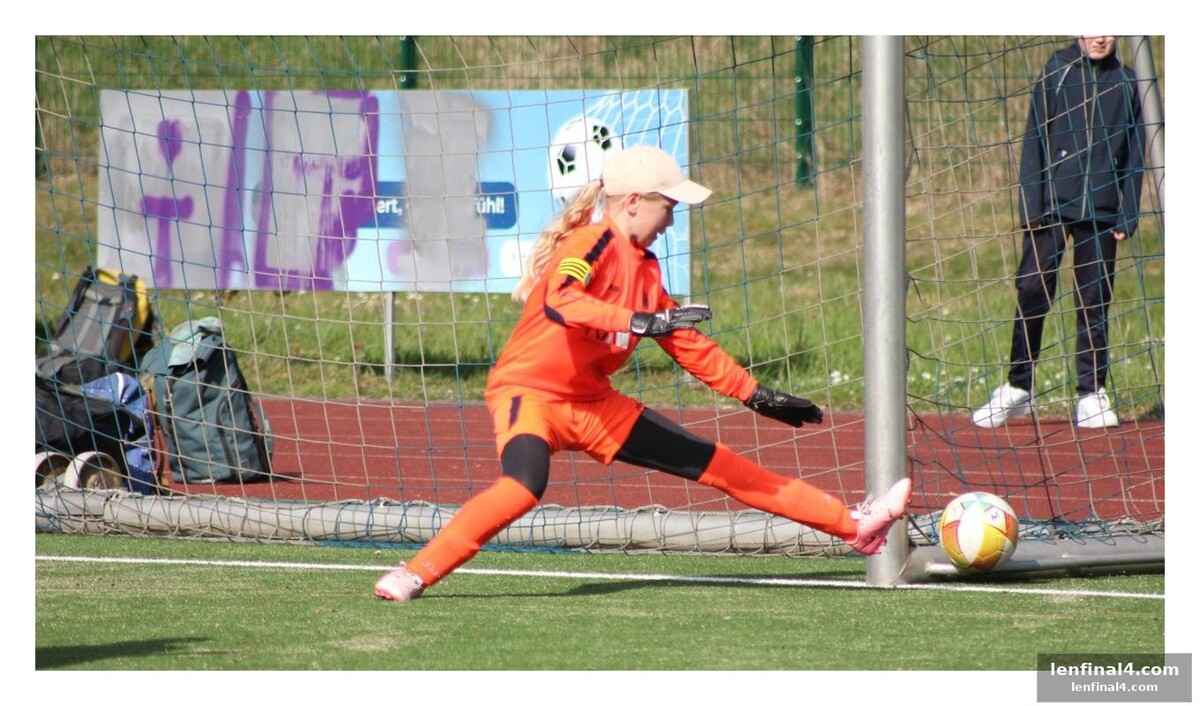
Despite these challenges, BC Efferen has achieved notable success, boasting five girls’ teams and a rapidly expanding youth program. The club’s reliance on volunteer coaches – ‘the dads are trainers’ – highlights the financial constraints faced by many smaller clubs. The upcoming DFB Cup final, featuring a U13 match between Efferen and ESV Olympia Köln, represents a rare opportunity for exposure, played in a massive stadium, but even this event is constrained by logistical difficulties, including a combined team due to a lack of suitable opponents.
Dfb’s strategic push – falling short of targets
The German Football Association (DFB) launched the ‘FF27 Strategy’ in 2021, aiming to increase female player participation by 25% by 2025 through measures like coach training and public awareness campaigns. While initial progress was made – with 122,044 girls playing in NRW clubs in 2025, up from 100,336 in 2022 – the target remains elusive. Benjamin Klotz, a youth football advocate, argues that the DFB’s focus hasn’t addressed the fundamental issue of infrastructure. ‘We need more flexibility from the association,’ he emphasized, highlighting the difficulty of integrating girls into teams of mixed ages due to player imbalances.

A call for change
The issue of insufficient facilities – ranging from basic changing rooms to adequate training pitches – remains a significant impediment to girls’ football development across NRW. Club leaders are calling for greater support from regional authorities and a willingness to invest in the future of female football. Without addressing these underlying challenges, the momentum generated by recent growth risks stalling, leaving countless young girls without the opportunity to pursue their passion.