
Former biathlon champion rösch opens up about years-long depression
Rösch's candid revelation
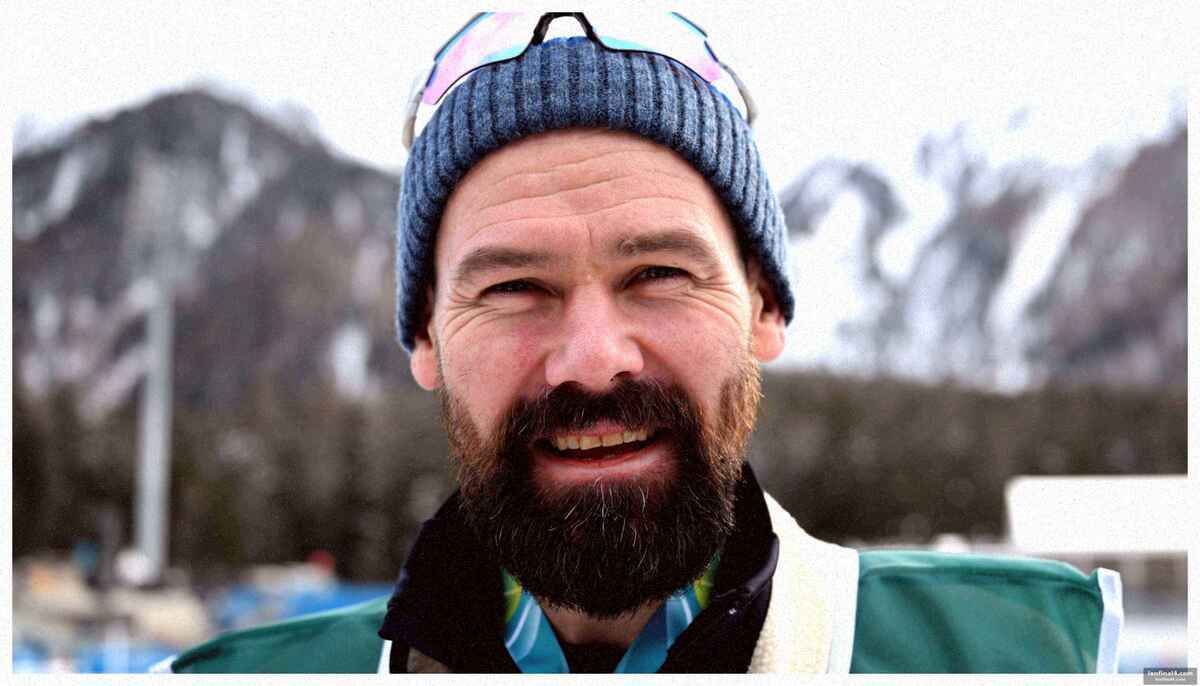
Former German biathlete Michael Rösch has publicly addressed his struggles with depression, a condition he battled for years, even in the aftermath of achieving Olympic glory. The 42-year-old’s disclosure comes in a joint podcast with Christian Akber-Sade, “Nacksch – vom Olympiasieg in die Depression,” aiming to offer support to others facing similar mental health challenges. Rösch's honesty sheds light on the often-hidden struggles of elite athletes and the pressures they face.
The weight of olympic gold
Rösch, who secured an Olympic gold medal with the German relay team in Turin in 2006 at the young age of 22, described the period following his victory as a deeply challenging one. Despite the public celebration of his triumph, he confessed to an internal battle. “The Olympic victory was public. The hardest fight took place in private. Mentally, I was at times dead,” Rösch stated, highlighting the stark contrast between outward success and inward turmoil.
Early struggles and unmet expectations
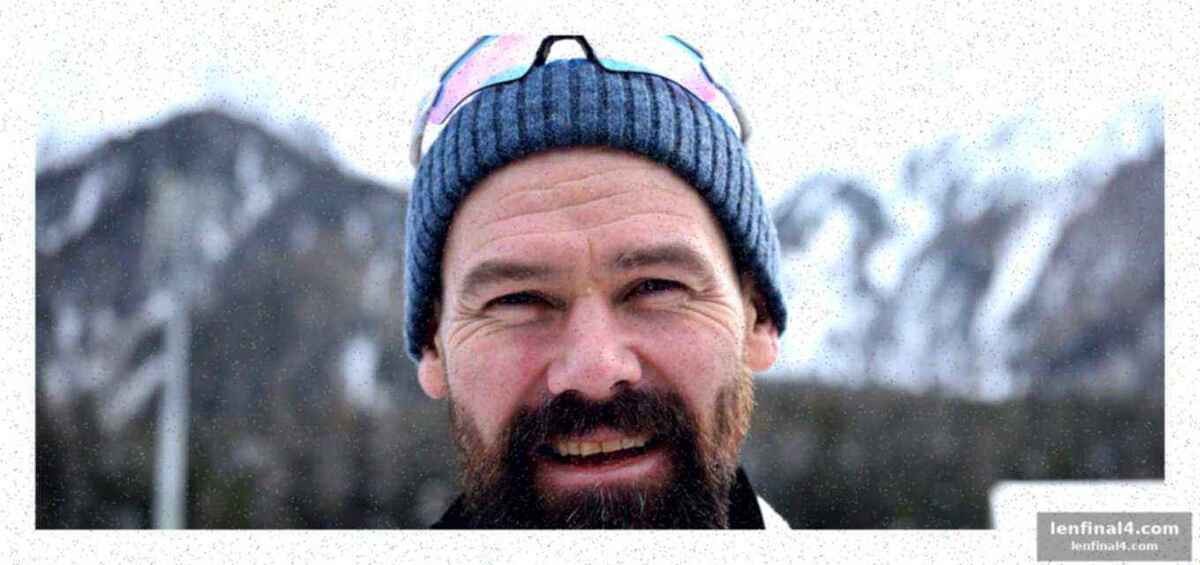
While Rösch earned three World Championship bronze medals with the relay team and two World Cup victories, he struggled to consistently meet the high expectations placed upon him. Financial difficulties further compounded his struggles. A low point occurred in 2009 in Pokljuka, Slovenia, when he recounted leaving the stadium with a bag of trash, feeling utterly broken. He describes the experience as a pivotal moment of despair.
Reluctance to seek help
Rösch initially hesitated to seek psychological help, believing that doing so would be perceived as a sign of weakness. “Seeking help was considered a sign that you couldn't handle the pressure,” he explained. He acknowledges that attitudes towards mental health in sports have thankfully evolved, representing a significant and positive change.

A long road to recovery
Following the loss
of his World Cup spot in 2009 and missing the 2010 Vancouver Olympics, Rösch endured a period of prolonged suffering. He eventually transitioned to competing for Belgium in 2014, a decision that involved relinquishing his status as a federal police officer. During this time, he experienced suicidal thoughts and faced a life-threatening situation in 2015 after being diagnosed with glandular fever and an Achilles tendon rupture. He vegetated for months before seeking help.
Finding hope and offering guidance
Rösch finally sought treatment in May 2019, marking the beginning of his journey towards recovery. He underwent extensive therapy and medication, describing the experience as a transition from a period of confusion to clarity. “It was like a fog—and suddenly, the sky was blue,” he shared. He now encourages others struggling with mental health issues to seek support, emphasizing that it’s a sign of strength, not weakness. He hopes his story can inspire others to prioritize their mental well-being.

Growing awareness in sports
Rösch’s openness aligns with a growing trend of athletes publicly discussing their mental health challenges. A recent ARD documentary, “The Weight of the Games,” explored the phenomenon of post-Olympic depression, featuring conversations with athletes like Jessica von Bredow-Werndl. This increased visibility is helping to destigmatize mental health issues and encourage athletes to seek help when needed.