
Donnarumma's tears: italy's world cup dream crumbles in shootout
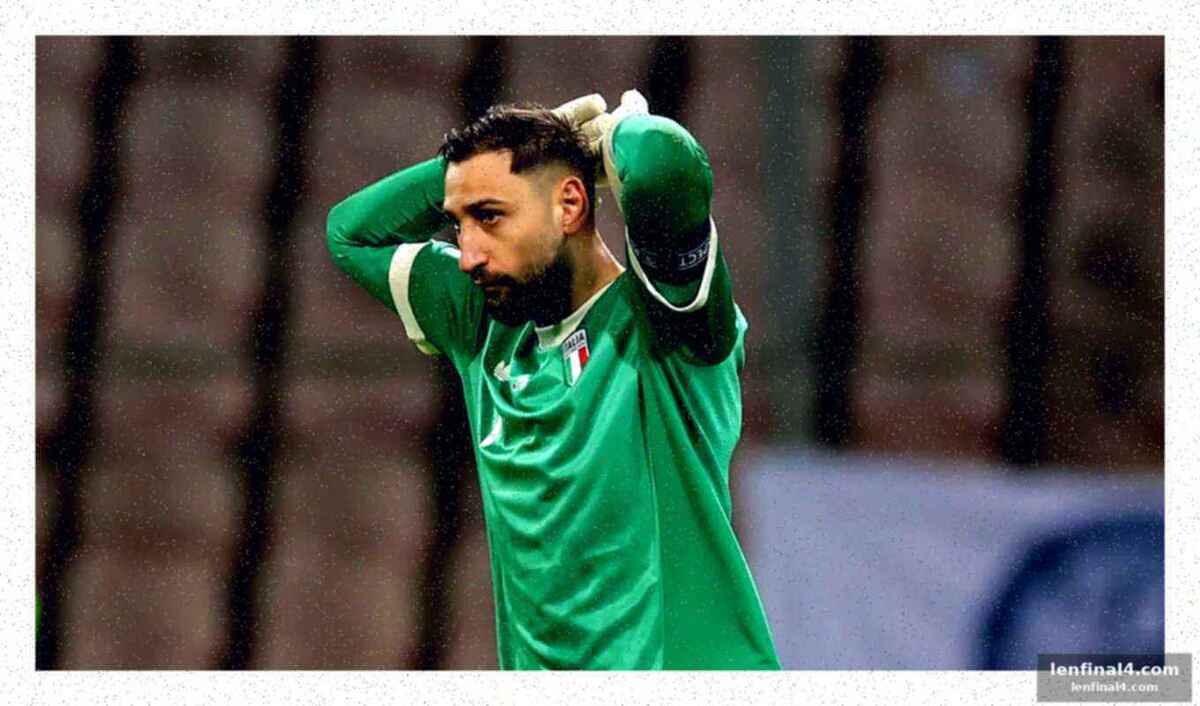
The silence after the final whistle at the playoff in Turin was deafening, broken only by the sobs of Gianluigi Donnarumma. Italy, a nation steeped in footballing tradition, has once again missed out on the World Cup, this time falling to Bosnia and Herzegovina in a heartbreaking penalty shootout. The 1-4 defeat on penalties caps a truly dismal qualifying campaign and leaves a nation reeling.
A captain's lament, a nation's disappointment
Donnarumma, recently crowned FIFA's World Goalkeeper of the Year, poured out his anguish on Instagram, a raw and unfiltered confession that resonated with millions of Azzurri fans. “After the game, I cried,” he wrote. “I cried because I failed to take Italy where it deserves to be. I cried because I am as infinitely sad as the entire Azzurri team, of which I am proud captain.” The sentiment reflects a deep-seated national disappointment – a familiar one, it seems, after missing out on both the 2018 and 2022 tournaments. Their last appearance was in 2014, a distant memory for a nation that boasts four World Cup titles, the most recent in 2006.
But here's the detail few are willing to address: the failure isn't solely on Donnarumma’s shoulders. The Italian national team, once a bastion of tactical innovation and defensive solidity, has stagnated. The squad lacked spark and creativity, a noticeable absence that was brutally exposed against a resilient Bosnian side. The players themselves acknowledge the gravity of the situation. Manuel Locatelli, another key player, admitted to being “completely devastated” and vowed to “give everything on the field” in the future.
A cycle of missed opportunities
The Azzurri’s absence from the World Cup represents more than just a sporting setback; it’s a stark reflection of a broader malaise within Italian football. Twenty years have passed since their last triumph, and the path back to the summit has been fraught with obstacles. The reality is, the team’s performances have steadily declined, leaving fans questioning the direction of the national program. The performance of the team speaks volumes; the belief and passion that once defined Italian football seem to have diminished.
Valentina Maceri, an Italian television presenter, minced no words after the match, bluntly stating Italy is “no longer a football nation.” Whether that’s hyperbole or a chilling assessment, the current trajectory doesn't inspire optimism. It’s a hard truth to swallow, particularly for a nation with such a rich and storied footballing history. The road ahead is arduous, requiring a fundamental overhaul of the system, and a renewed commitment to the principles that once made Italy a global powerhouse.
The failure isn’t about blaming individuals; it's about recognizing a systemic issue. Donnarumma’s tears are a symbol of that pain, a visceral expression of the collective disappointment. The task now is to channel that emotion into action, to rebuild the team, and to restore Italy's place among the elite.
The next chapter begins now.