
Colombia's move to drop motorcycle insurance sparks controversy
A proposed bill to exempt motorcycles with engines under 250cc from Colombia's mandatory accident insurance, SOAT, has ignited a heated debate.
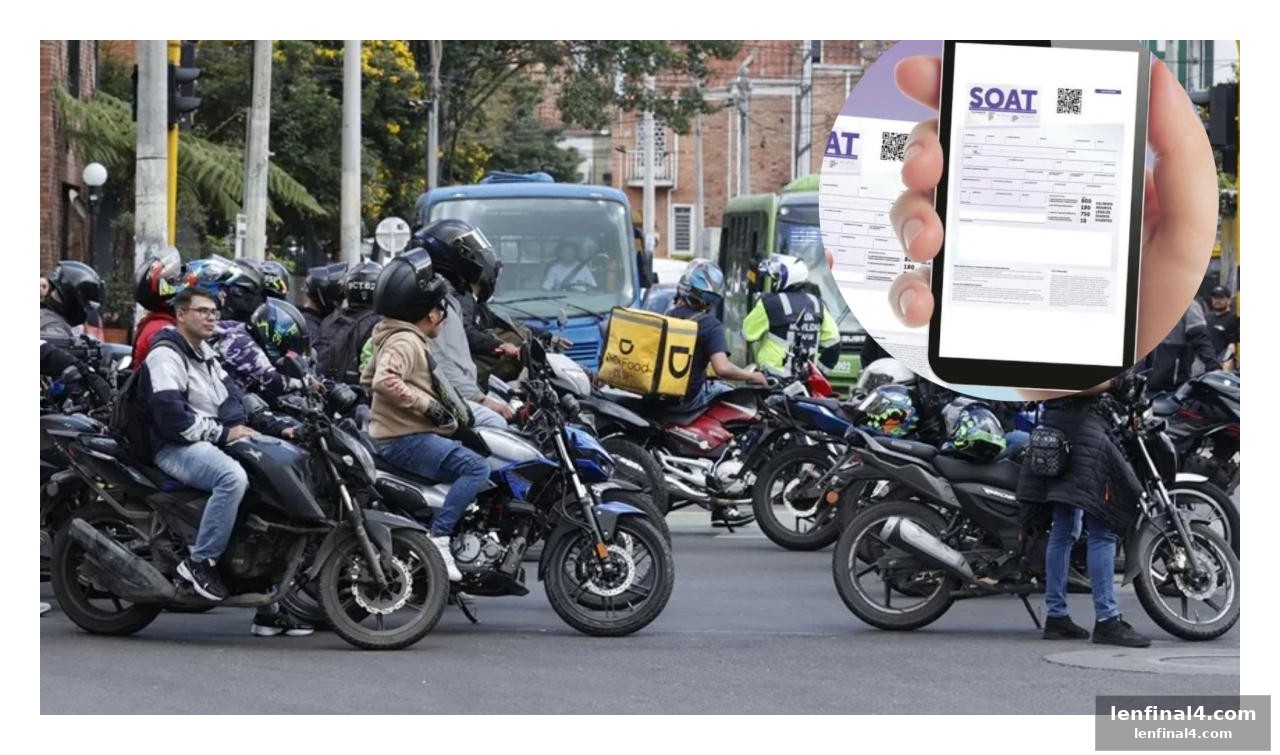
Experts warn of healthcare crisis, while advocates cite economic burden for low-income riders
The initiative comes amid high inflation and economic pressure on Colombian households. With motorcycles becoming the primary means of work for millions, the SOAT cost represents a significant fixed expense.
Proponents argue that eliminating this barrier could incentivize formalization, with riders diverting that money towards safety equipment or vehicle maintenance. They also point to the disproportionate cost of SOAT for work motorcycles versus mid-range personal vehicles.
However, critics, including health experts and insurance associations, warn of a potential collapse in emergency care financing. Currently, over 60% of motorcycles in the country are uninsured due to the high cost, and SOAT serves as the immediate funding source for accident victims.
Without this influx, the healthcare system (ADRES) would bear the financial burden, exacerbating its chronic deficit. Moreover, statistics show that motorcycles are involved in over 80% of traffic accidents with injuries or fatalities, leading many to question the logic of removing insurance for the riskiest vehicles.
Conductors without SOAT coverage would be left to their EPS for medical attention, but EPS often struggle to process claims with the same speed, particularly for indemnities for permanent disability or immediate funeral costs.
Insurance companies like Fasecolda strongly reject the measure, arguing it fails to address the root causes of reckless driving and underinsurance. Government officials and lawmakers are divided, with some seeking to fulfill campaign promises of reducing costs for motorcyclists, while the Finance Ministry scrutinizes the fiscal impact.
Alternative solutions have emerged, including pay-by-mile insurance, behavior-based discounts, or fuel surcharges to ensure every vehicle is covered. The controversy highlights a complex dilemma in balancing economic relief with public health and safety concerns.