
Bolivian rally turns deadly: driver shot, drug ties suspected
The Rally Nueva Santa Cruz in Bolivia descended into tragedy Sunday when José Pedro Rojas, a 28-year-old rally driver, was fatally shot while entering the parc fermé. The incident, which has prompted the immediate suspension of the rally, raises serious questions about security and potentially exposes a web of criminal activity.
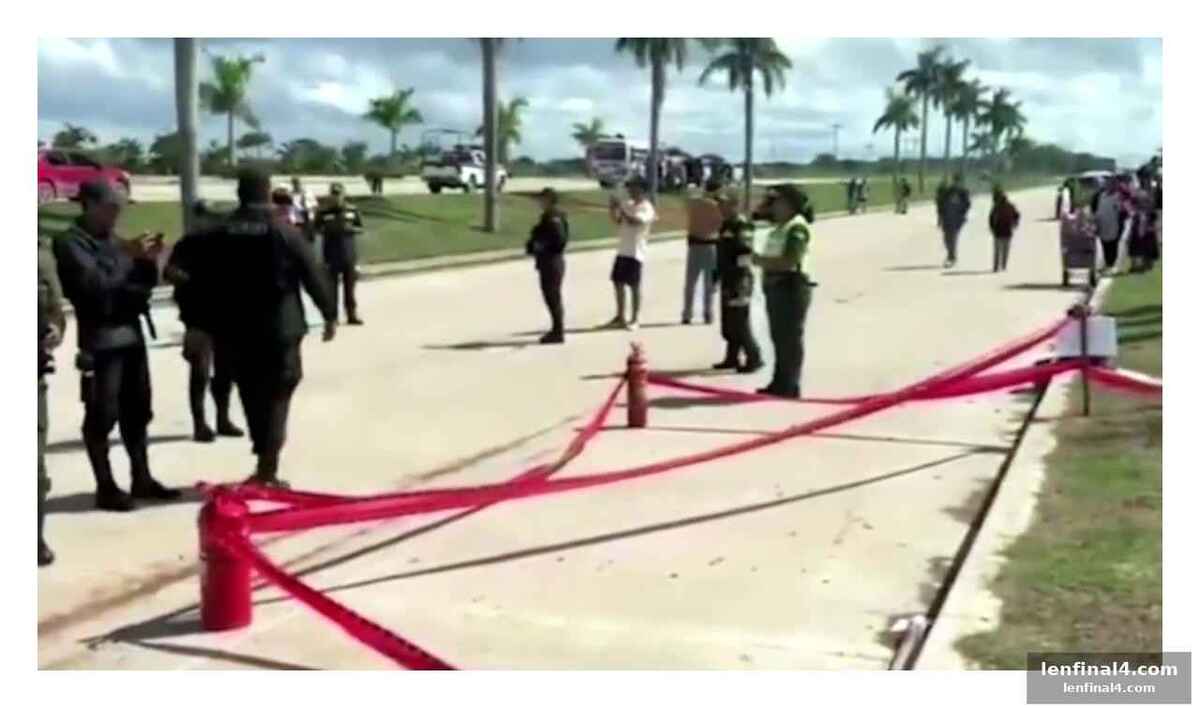
A brutal attack leaves a community shaken
Initial reports indicate that Rojas, competing in the SxS class with a CanAm X3 (numbered 11), was approached by an assailant, face covered, who unleashed a barrage of 15 shots. Eight struck Rojas, who was rushed to a medical center but succumbed to his injuries. His co-driver also sustained injuries and remains hospitalized. The perpetrator remains at large, eluding police capture.
What's particularly unsettling is Rojas’s recent acquisition of two high-specification Rally2 vehicles – a Citröen C3 and a Skoda Fabia – suggesting a significant investment in his racing career. But the narrative takes a darker turn when considering the preliminary findings of the police investigation.
The authorities are reportedly exploring connections between Rojas and the Marset organization, a drug trafficking network linked to Sebastián Marset, recently arrested in Uruguay on March 13th. This line of inquiry strongly suggests a possible settling of scores, casting a pall over what should have been a sporting event.
Rojas, it appears, led a double life. Beyond his passion for motorsports – which included piloting aircraft – he was reportedly under investigation for his alleged involvement in drug trafficking. The rapid escalation of events suggests a level of calculated aggression that moves far beyond a simple racing rivalry.
The Rally organizers, understandably, halted all further competition following the news. The investigation is ongoing, and the focus now shifts to identifying and apprehending the shooter and uncovering the full extent of Rojas’s alleged criminal associations. The incident serves as a stark reminder of the potential dangers lurking beneath the surface of even seemingly innocuous events, and the complex realities of Bolivia's current landscape.